
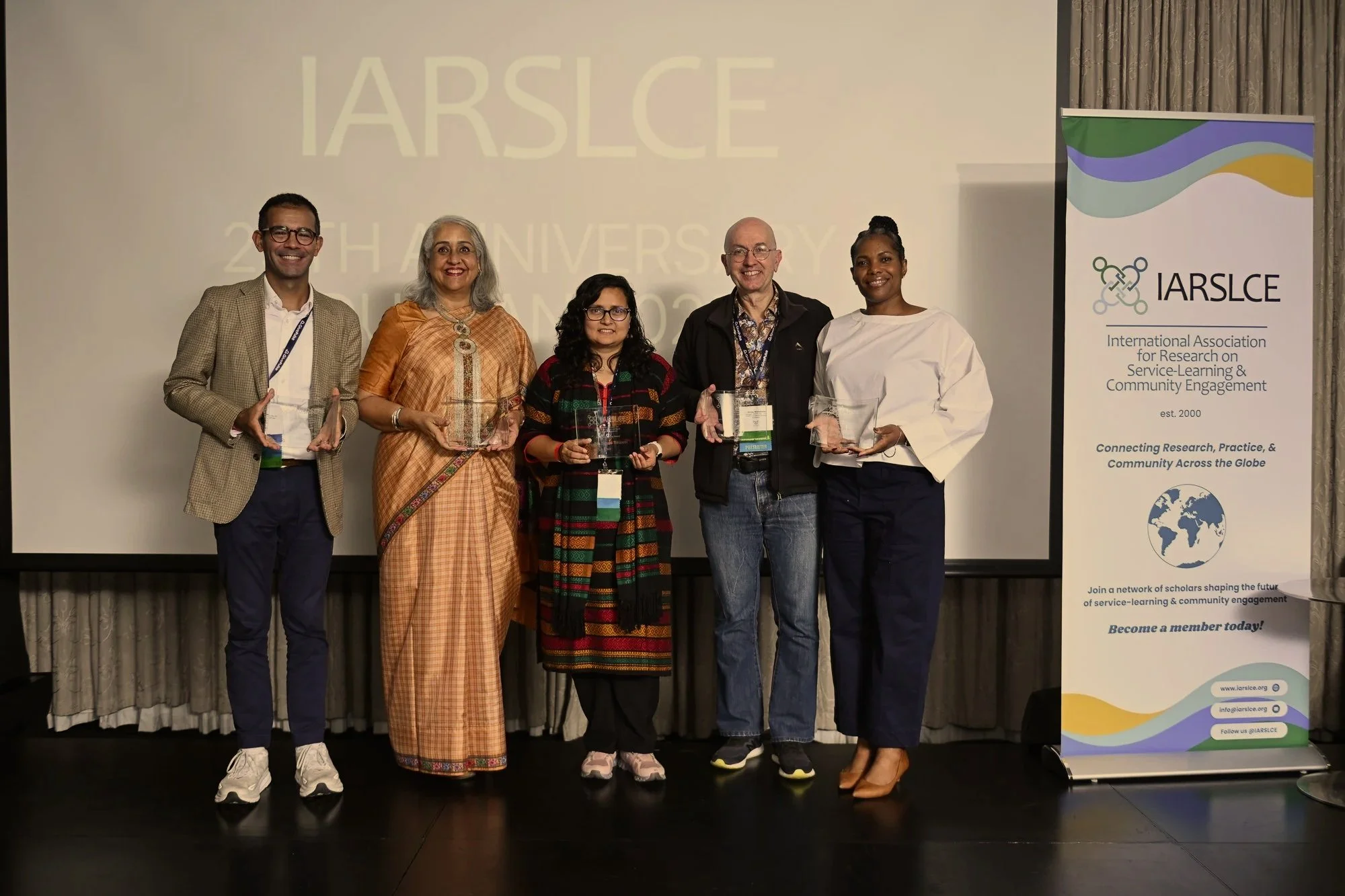
Awards & Recognitions
The International Association for Research on Service-Learning and Community Engagement (IARSLCE) is the only international organization whose primary purpose is to cultivate, encourage, and present research across all engagement forms and educational levels. IARSLCE connects scholars around the world to advance knowledge on service-learning and community engagement.
In recognition of exemplary contributions through research on service-learning and community engagement, IARSLCE honors those whose research contributes significantly to understanding and advancing community engagement, across all approaches and all educational sectors. We are pleased to announce the recipients of the 2026 Awards.
Honorable Mentions: Dissertation, Emmanuel Jeje. Early Career, Simone Domingue
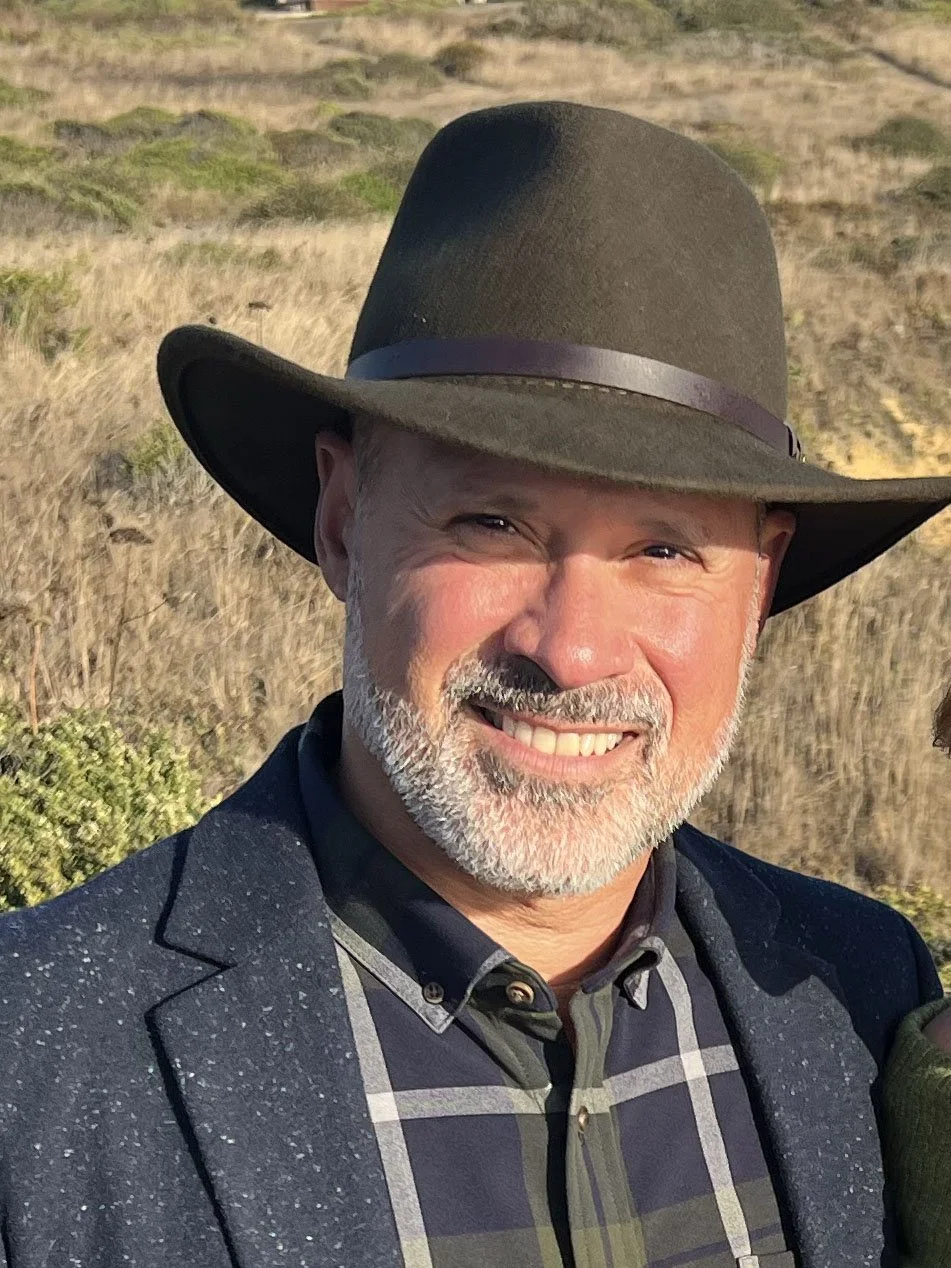

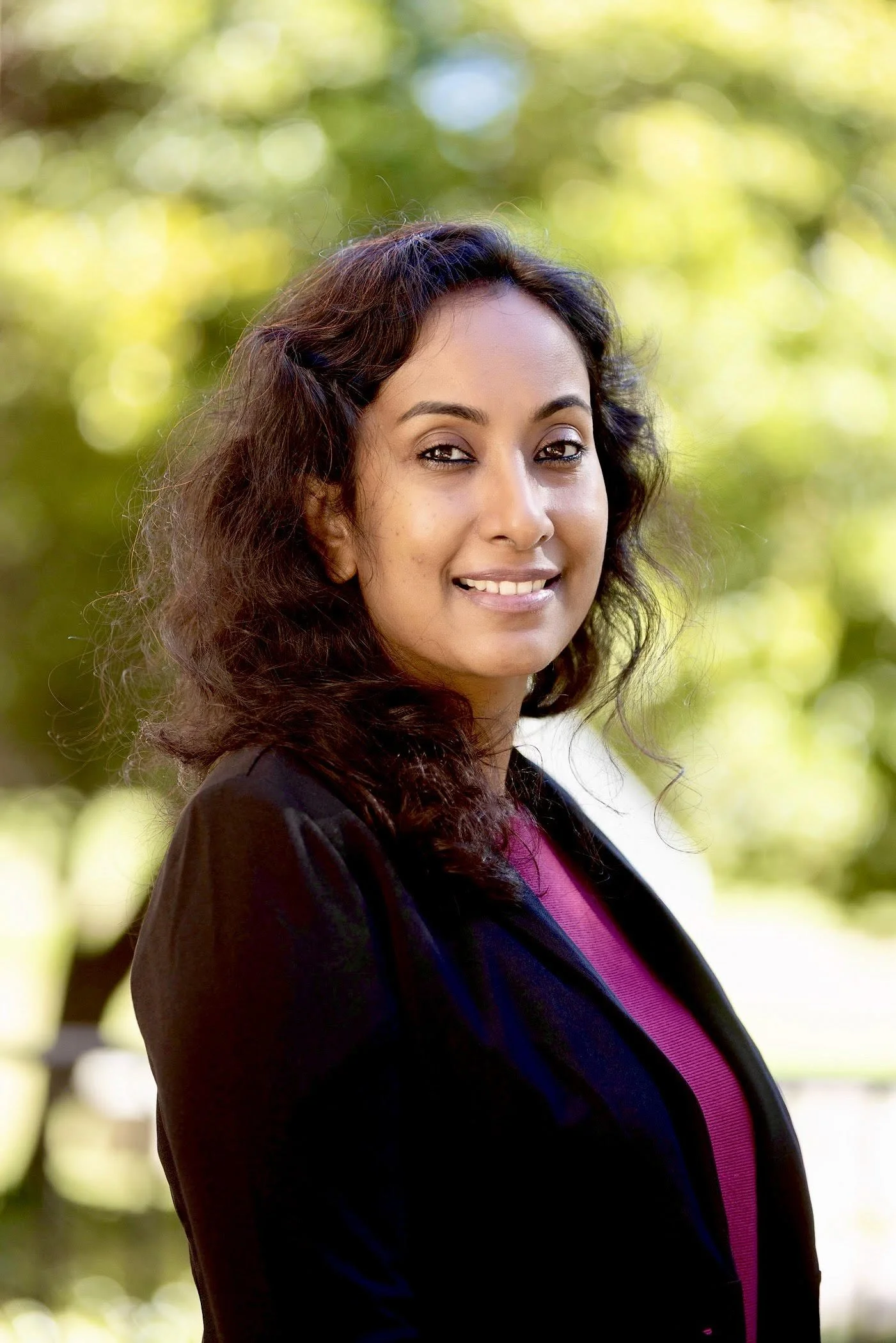
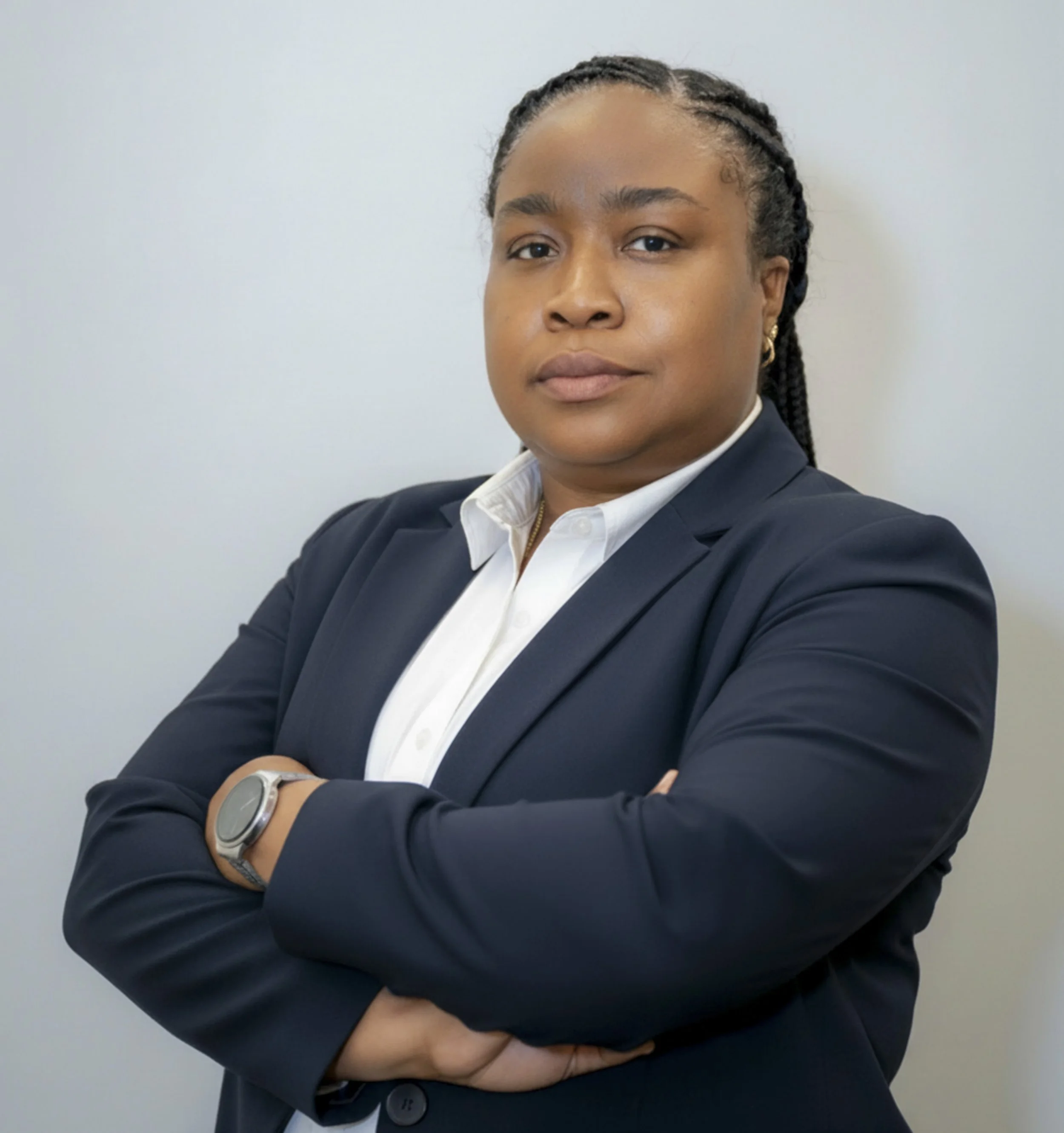
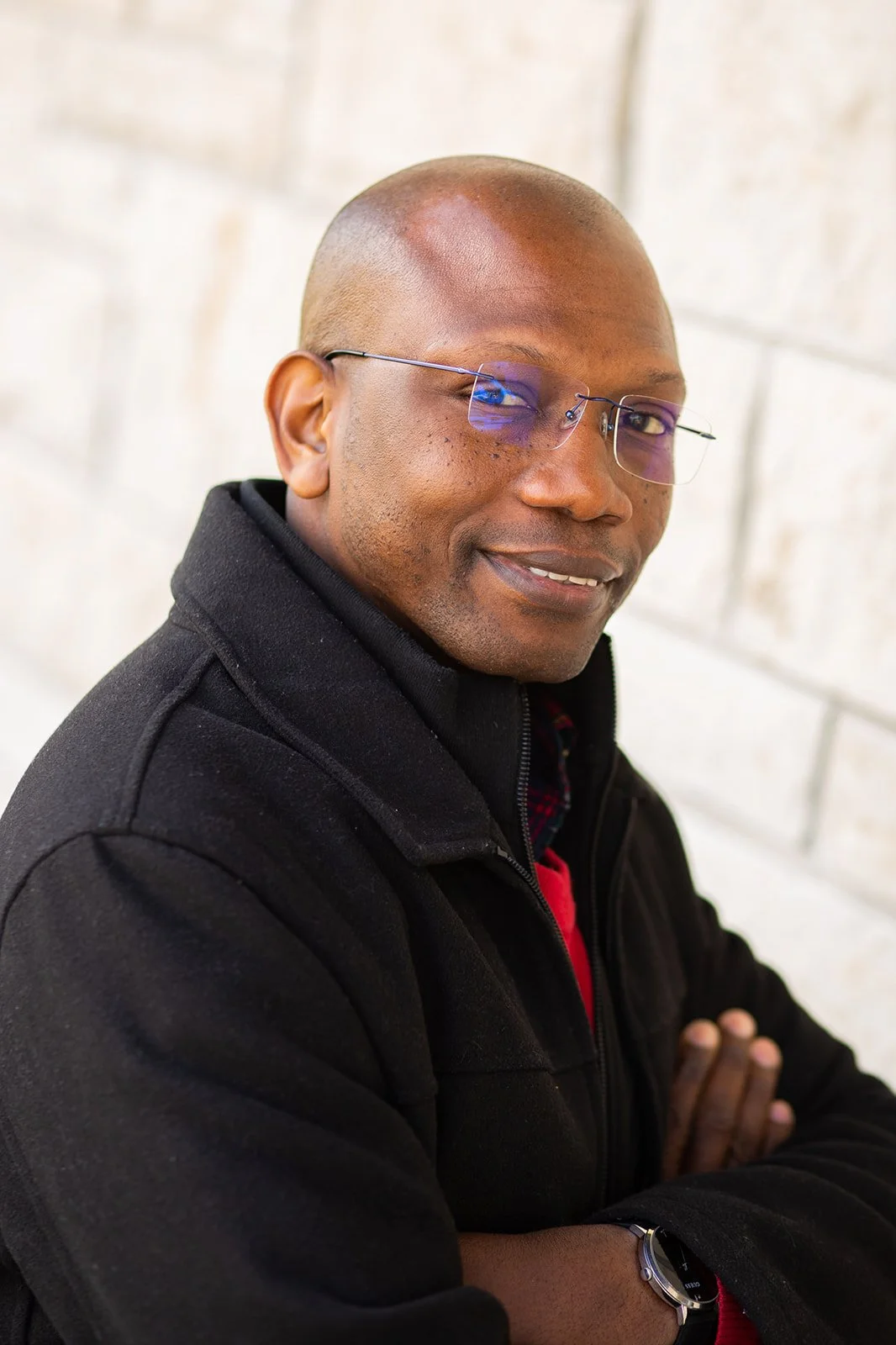
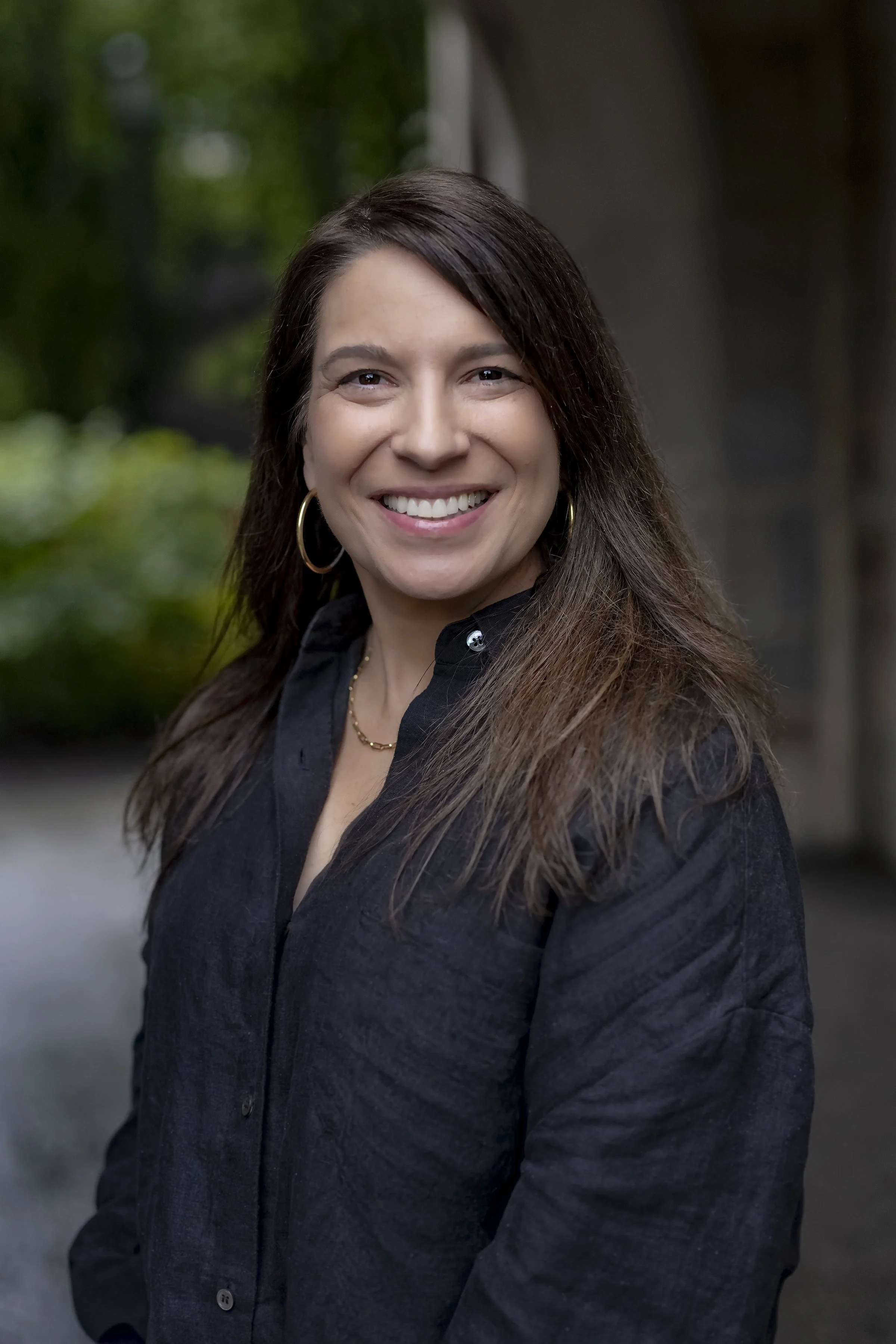
Distinguished Career Award: Michael Rios
IARSLCE is pleased to recognize with the IARSLCE Distinguished Career Award Dr. Michael Rios, Professor in the Department of Human Ecology at the University of California, Davis. The Distinguished Career Award acknowledges and celebrates intellectual leadership through a body of work that has broad and deep impact on the study and/or practice of service-learning and community engagement, including the communities, cultures, and systems within which it is undertaken. Over the past decades, Dr. Rios has made significant contributions to the development of theory, practice, and policy within the service-learning and community engagement field. He has engaged in a rigorous examination of questions central to our field such as how participatory design, community engagement, and institutional transformation can advance justice by imagining equitable futures, expanding inclusion, strengthening public participation, and fostering democratic communities and institutions. His scholarship spans community-engaged practice, community-driven placemaking, and the role of higher education in creating public impact and advancing social change. Dr. Rios co-founded the University of California Community Engagement Network and was inducted into the Academy of Community Engagement Scholarship. He holds a Ph.D. in Political Geography from The Pennsylvania State University, as well as a Master of Architecture (M.Arch.) and a Master of City Planning (M.C.P.) from the University of California, Berkeley.
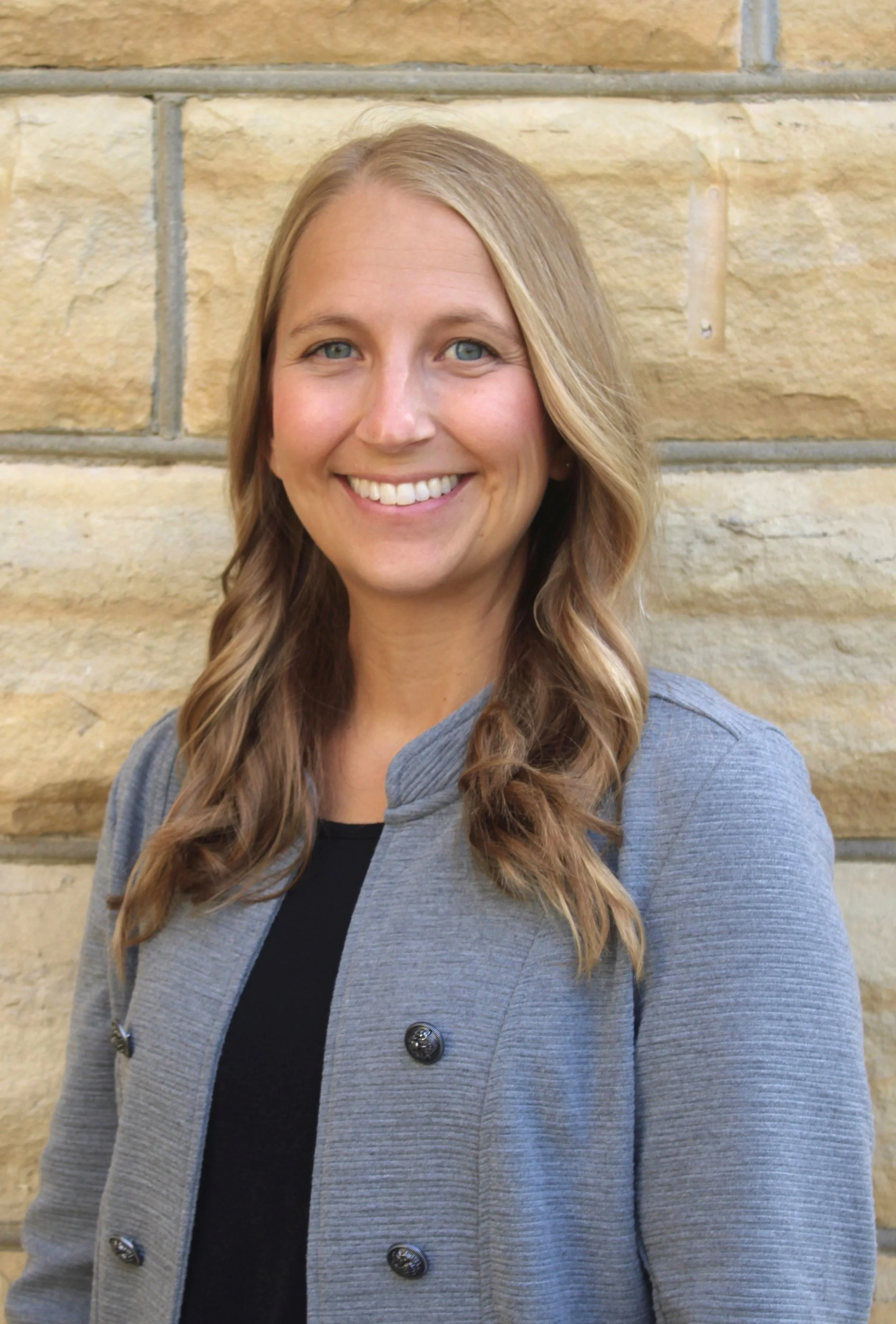
Early Career Award: Lori Kniffin
IARSLCE is pleased to recognize Dr. Lori Kniffin as the recipient of the 2026 Early Career Award – and Dr. Simone Domingue as the Honorable Mention recipient. The Early Career Award acknowledges and celebrates intellectual leadership through an emerging body of work that has begun to demonstrate broad and deep impact on the study and/or practice of service-learning and community engagement, including the communities, cultures, and systems within which it is undertaken.
Dr. Lori E. Kniffin is the Voss Distinguished Professor of Leadership and Director of Civic Learning and Engagement at Fort Hays State University. As a practitioner-scholar, Dr. Kniffin focuses on integrating service-learning and community engagement with collective leadership development to build capacity for addressing complex community challenges. Utilizing democratically co-constructed frameworks which emphasize authentic partnerships and collaborative inquiry, Dr. Kniffin has made significant contributions in the development of innovative strategies for assessing and deepening community-campus partnerships. One major contribution is her work on the Transformational Relationship Evaluation Scale (TRES) III Reflection Framework—a tool adopted globally to evaluate and strengthen community-campus partnerships. Dr. Kniffin has authored numerous scholarly publications – she engages in a form of public scholarship that closes gaps between academic and community audiences. Dr. Kniffin has been deeply engaged professionally with scholarly associations – serving as chair of the IARSLCE Graduate Student Network and as an IARSLCE Board member. Dr. Kniffin is widely recognized as a colleague who demonstrates field-building leadership – a scholar who is contributing in significant ways to the future of our field.
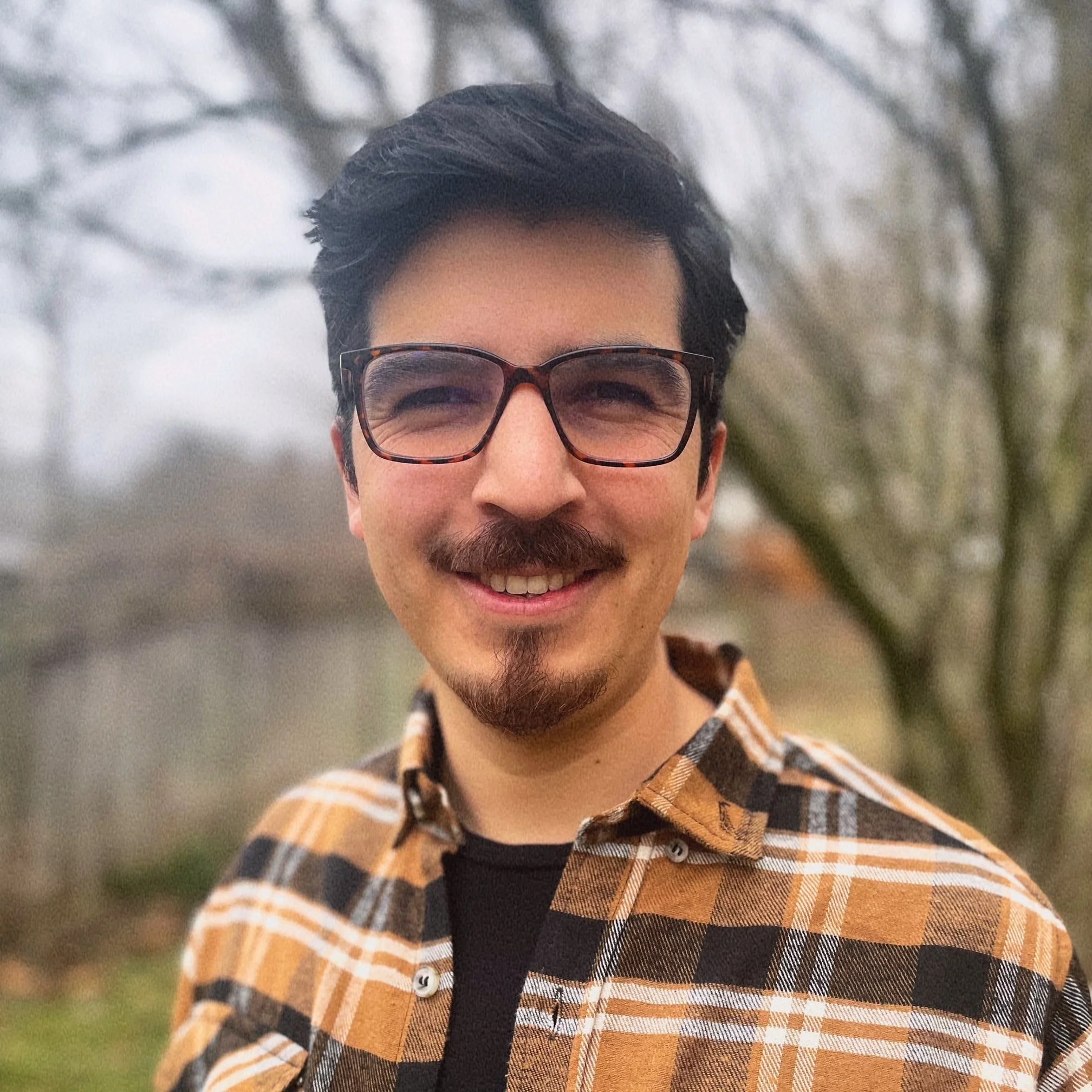
Early Career Honorable Mention: Simone Domingue
Our 2026 Early Career Award Honorable Mention recipient is Dr. Simone Domingue, Research Assistant Professor at Tulane University’s ByWater Institute, an interdisciplinary research center in New Orleans dedicated to coastal restoration, sustainable water management, and climate adaptation. Launched in 2016 and headquartered at the Tulane River and Coastal Center along the Mississippi River, it unites experts across fields to protect vulnerable river basins and deltas. Utilizing a sociological lens, Dr. Domingue examines river and coastal management, environmental governance, and community-based disaster planning across the Gulf Coast. She is the principal investigator of Southwest Louisiana and Central Acadiana Resilient Future, a project that co-develops regionally supported climate adaptation strategies through collaboration between community-based organizations, local governments, Tribes, and planning experts. Her scholarly publications have appeared in Community Science, Earth Systems Governance, Environmental Sociology, and Environmental Justice. Dr. Domingue earned her Ph.D. in Sociology at the University of Colorado. She is a native Louisianan who believes in supporting climate-vulnerable communities and Indigenous people in their struggles for agency and sovereignty in decision making processes.
Dissertation Award: Matías Flores
IARSLCE is pleased to recognize Dr. Matías G. Flores with the 2026 IARSLCE Dissertation Award – and Dr. Emmanuel Jeje as the Honorable Mention recipient. The Dissertation Award acknowledges and celebrates a dissertation that advances research on service-learning and community engagement through rigorous and innovative inquiry and has the potential for impact on the study and/or practice of service-learning and community engagement, including the communities, cultures, and systems within which it is undertaken.
Dr. Matías G. Flores earned a Ph.D. in Development Sociology, Cornell University and a B.A. in Sociology, Universidad de Chile. His dissertation, Community Engagement in Chile: A New Generation, Conditioned Legitimacy, and Academic Capitalism,examines the history and politics of university community engagement, specifically comparing Latin American "university extension" models with North American land-grant systems. His dissertation analyzes the democratic history of these practices, including the legacy of Amanda Labarca, while examining how contemporary scholars navigate institutional, market-driven constraints. Dr. Flores currently serves as Associate Professor in the School of Sociology and Social Sciences and ABC Lab at Universidad Católica Silva Henríquez in Chile. His research focuses on the historical, social, and political foundations of community engagement in Latin America and has been published in journals in Chile, Argentina, Mexico, Uruguay, South Africa, Spain, Italy, and the US. His most recent book is Historia de la Extensión en la Universidad de Chile. 1842-2022 (2025). He was the 2025 Chair of the IARSLCE Graduate Student Network and currently serves as Scholar in Residence of the IARSLCE Global Research Agenda Initiative.
Public Scholarship Award: Gabrielle Walcott-Bedeau & Aanmona Priyadarshini
IARSLCE is pleased to recognize two recipients of the 2026 Public Scholarship Award – Dr. Aanmona Priyadarshini and Dr. Gabrielle Rosamond Elizabeth Walcott-Bedeau. The Public Scholarship Award recognizes excellent interdisciplinary research that has a demonstrable ameliorative impact on pressing public issues with a special focus on the knowledge needs of policymakers and practitioners. This award recognizes research that generates non-traditional scholarly products, presented in a manner that is widely accessible to targeted audiences and/or the public. Such work might include policy briefs, program evaluations, white papers, reports, translations of scientific or other scholarly findings, site revitalization plans, concept maps, videos, or other creative products designed to respond to and inform broader publics.
Dr. Gabrielle Rosamond Elizabeth Walcott-Bedeau, MD, is Associate Professor, Department of Physiology, Neuroscience and Behavioral Sciences and Assistant Provost for Community Outreach and Service Learning at St. George’s University, Grenada, West Indies. She is a practitioner-scholar and institutional thought leader in community-engaged medical education, public scholarship, and socially accountable higher education systems. Her work focuses on institutional systems-building, service-learning evaluation, community-engaged research, medical education reform, health equity, youth development, and Caribbean and global SIDS contexts. Her public scholarship includes non-traditional scholarly products such as institutional frameworks, impact reports, evaluation tools, dashboards, and governance-aligned MOUs — that respond to the knowledge needs of policymakers and practitioners and are co-created with community partners. Letters of support from community partners note that her public scholarship produces demonstrable public impact. Her scholarship spans medical education, community-engaged research, and grassroots neuroscience. Her scholarly works include Exploring the Value of Hosting a Grassroots Neuroscience Workshop That Facilitates Near-Peer Engagement and Evaluating Student Organization-Led Community Engagement Using a Constructed Service-Learning Evaluation Framework: A Multi-Component Qualitative Study in a Caribbean Medical School which presents a seven-criterion matrix to evaluate student-led community outreach in Caribbean medical schools.
Dr. Aanmona Priyadarshini, Lecturer in the Department of Anthropology at Southern Methodist University, earned her Ph.D. in Cultural Anthropology from the University of Pittsburgh and an M.A. in Women's and Gender Studies from Loyola University Chicago. Her scholarly works include impactful publications such as "Bangladesh, A Land of Open Graves" as well as her significant contributions to Feminisms, Empowerment and Development: Changing Women's Lives. The culminating project of her dissertation Shattered Sacred, Broken Lives: City and Its Margins, explored the material politics of religious destruction and state reconstruction in Bangladesh. Her nominators note that her op-eds in English and Bengali, her prize-winning paintings adopted by activist networks, her participatory photo-ethnography, her community-driven digital storytelling, and her GIS-enabled neighborhood mapping, all serve to translate ethnographic insight into non-traditional scholarly products that are accessible, culturally responsive, and co-created with the communities whose lives animate her research. Dr. Priyadarshini's op-ed efforts demonstrate a sustained, deeply thoughtful, community-grounded, publicly accessible scholarship. Her 2025 essay "Freedom is a Verb," published in New Age—Bangladesh's leading English-language daily—intervened directly in a pressing policy crisis: the post-authoritarian question of whether democratic transition distributes freedom equally.
Dissertation Honorable Mention: Emmanuel Jeje
Our 2026 Dissertation Award Honorable Mention recipient is Dr. Emmanuel Jeje, who earned a Ph.D. in Leadership Communication at Kansas State University. His dissertation, Participatory mapping as a tool for social change: A tale of community development in Northeast Kansas and Western Guatemala, examines how participatory mapping and geographic tools serve as catalysts for community development and social change – Dr. Jeje compared case studies in Northeast Kansas and Western Guatemala. His scholarship utilizes storytelling, co-creation planning, asset mapping, and collaborative spatial mapping – a practice where community members—rather than outside experts—gather to create, visualize, and analyze geographic data to solve local problems. Dr. Jeje combines traditional mapping tools (like maps, GIS software, or simple drawings) with grassroots, community-driven perspectives. Dr. Jeje is an engaged scholar and a fellow in the Staley School of Leadership at Kansas State University. Dr. Jeje is known as a spatial transformer – the scholarly focus of his work is empowerment through collaborative community engagement and community leadership – utilizing innovative methodological tools such as community mapping, asset mapping, spatial mapping.
Publication of the Year Award: Local Organic by Veronica House
IARSLCE is pleased to recognize the book Local Organic: Food Rhetorics and Community Writing for Impact – authored by Dr. Veronica House, Associate Professor of the Practice and Director of the Writing Center at Boston College – as the 2026 Publication of the Year. The IARSLCE Publication of the Year Award celebrates the author of a single published scholarly article, book chapter, book, or book series that has had a significant impact on the communities, cultures, and systems within which it is undertaken. Dr. House is a scholar of food rhetorics and community-engaged writing. She founded the Conference on Community Writing and serves as the founding executive director of the Coalition for Community Writing. Local Organic: Food Rhetorics and Community Writing for Impact explores how community-based writing and collaborative language-building can help create resilient local food systems. Drawing on over a decade of research and student projects, Dr. House introduces "ecological community writing" as a way for students, faculty, and activists to partner ethically with local groups and to tackle complex social and environmental issues.
Community Outcomes & Impact Award: Fundación Pachaysana
IARSLCE is pleased to recognize Fundación Pachaysana with the 2026 IARSLCE Community Outcomes and Impact Award. The Community Outcomes and Impact Award recognizes excellence in service-learning and community engaged research that advances community outcomes and impacts. While all SLCE scholarship should contribute to community-based stakeholders, this award recognizes research that has had a significant impact on an organization or program, and/ or measurably benefited a community. Fundación Pachaysana is a collective of Ecuadorian and international educators, nature restorers, teaching artists, and community organizers. Fundación Pachaysana’s mission is to bring together diverse knowledge and experiences to re-imagine dominant models of education and land use in our world. As a pioneer and exemplar of Fair-Trade learning, they do this by creating innovative alternative education and environmental programming. Across its interconnected efforts, Fundación Pachaysana offers semester-long and short-term study abroad programs, summer internship opportunities, “unlearning” retreats and workshops, in addition to a Forest School program and ecological restoration effort known as Humans for Abundance. One recently launched sustainability initiative provides opportunities for individuals and institutions to contribute to carbon onsetting plans as co-restorers in the communities where they work as a new model of global philanthropy. Fundación Pachaysana’s social and environmental justice initiatives are situated in the Ecuadorian Andes and Upper Amazon where they work with local restorers and community educators as participants and co-creators in all their programming. This includes a growing body of community-engaged scholarship and participatory action research with many works co-authored with community partners. In all of Fundación Pachaysana’s programming, local community members participate alongside international students from the U.S., Canada, and elsewhere and all receive similar educational experiences and opportunities for cultural exchange.
Global Equity in SLCE Award: Collaborative Badlands
IARSLCE is pleased to recognize the collective Collaborative Badlands with the 2026 IARSLCE Global Equity in Service-Learning and Community Engagement Award. The Global Equity in Service-Learning and Community Engagement Award recognizes excellence in research and scholarship that advances equity, justice, and inclusion within and across global contexts. Such work might include a focus on the experiences, knowledge, and assets of communities that have been systemically or historically underserved; examinations of SLCE through a lens of global intersectionality, exploring how social identities, national histories, and cultural contexts influence the study and practice of engagement; advancements of decolonizing methodologies or participatory frameworks that promote reciprocity and shift power to community partners; or scholarship that informs more equitable practices, influences policy, and/or contributes to the dismantling of exclusionary systems within the field of SLCE locally or internationally.
The Collaborative Badlands team is a collective of academic colleagues, students, staff and community partners led by principal investigator Dr. Hsiu-Tzu Betty Chang of National Cheng Kung University (NCKU). For over a decade, the team has moved beyond traditional models of university service to foster a long-term learning journey grounded in equity, humility, and the co-creation of knowledge within the southwest Taiwan badlands, a region historically marginalized as “vanishing settlements.” Working in a region shaped by depopulation, environmental hardship, and structural neglect, the Collaborative Badlands team places local narratives, lived experiences, and community knowledge at the center of university engagement. Through sustained engagement over ten years, the Collaborative Badlands team has developed a decentralized, power-sharing model of community engagement that positions service-learning and community engagement as tools for liberation and social transformation. The pedagogical foundation of the Collaborative Badlands team’s work is inspired by Parker J. Palmer’s concept of the “Great Thing.” Rather than viewing the badlands as sites of deficiency or poverty, the Collaborative Badlands team approaches the harsh landscape and the resilience of its inhabitants as profound sources of learning. By embracing the “Grace of Great Things,” the project replaces academic arrogance with humility and curiosity toward local wisdom and survival practices. Traditional ecological knowledge is treated as equally valuable as academic scholarship.
Congratulations to the recipients of the 2026 IARSLCE awards. Thank you to the nominators and to the association members who participated in the review process to determine this year's recipients. Recipients will be honored in a celebration during the IARSLCE Conference in New Orleans in October 2026. We invite you to join IARSLCE and learn more about upcoming events and opportunities offered by the association.
For more information about our awards and past recipients, click here.