
IARSLCE is committed to building an Association that is rooted in equity and inclusion, and reflects the diversity of our memberships’ identities, perspectives, methods, practices, roles, and sectors. Specifically, we are seeking Board Directors bring expertise in the following areas: events and conference planning, resource development, K-12, and/or STEM-related perspectives. Prior volunteer involvement with IARSLCE through the annual conference, committees, or special programming is strongly preferred.
There are currently 8 board vacancies, and we are seeking to fill at least 5 positions for the upcoming term. Positions available are At-Large (at least 2), Aligned Affiliate Organization (at least 1), Global, Non-US (at least 2). Please review the following biographies and candidate statements (alphabetized by first name) and cast your ballot by October 31, 2025.
2025 Board Election
Member-at-Large
Allison Walker (Wake Forest University)
Dan Richard (University of North Florida)
Deborah Tyndall (University of North Carolina Wilmington)
Doug Strahler (Slippery Rock University of Pennsylvania)
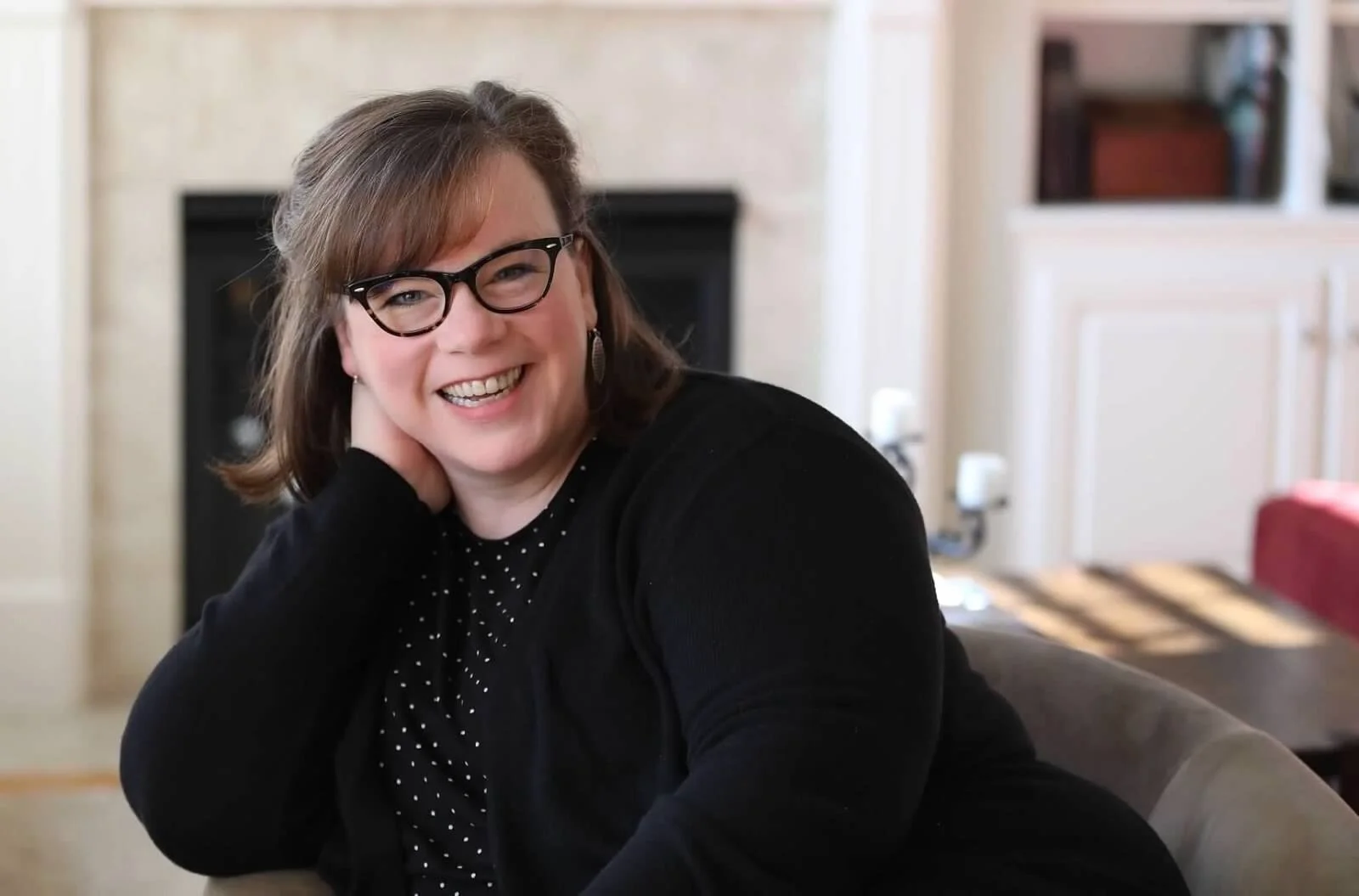
Heather Fields Stern (Suffolk University)
Elizabeth Quansah (Auburn University)
Kenneth Schwartz (Tulane University)
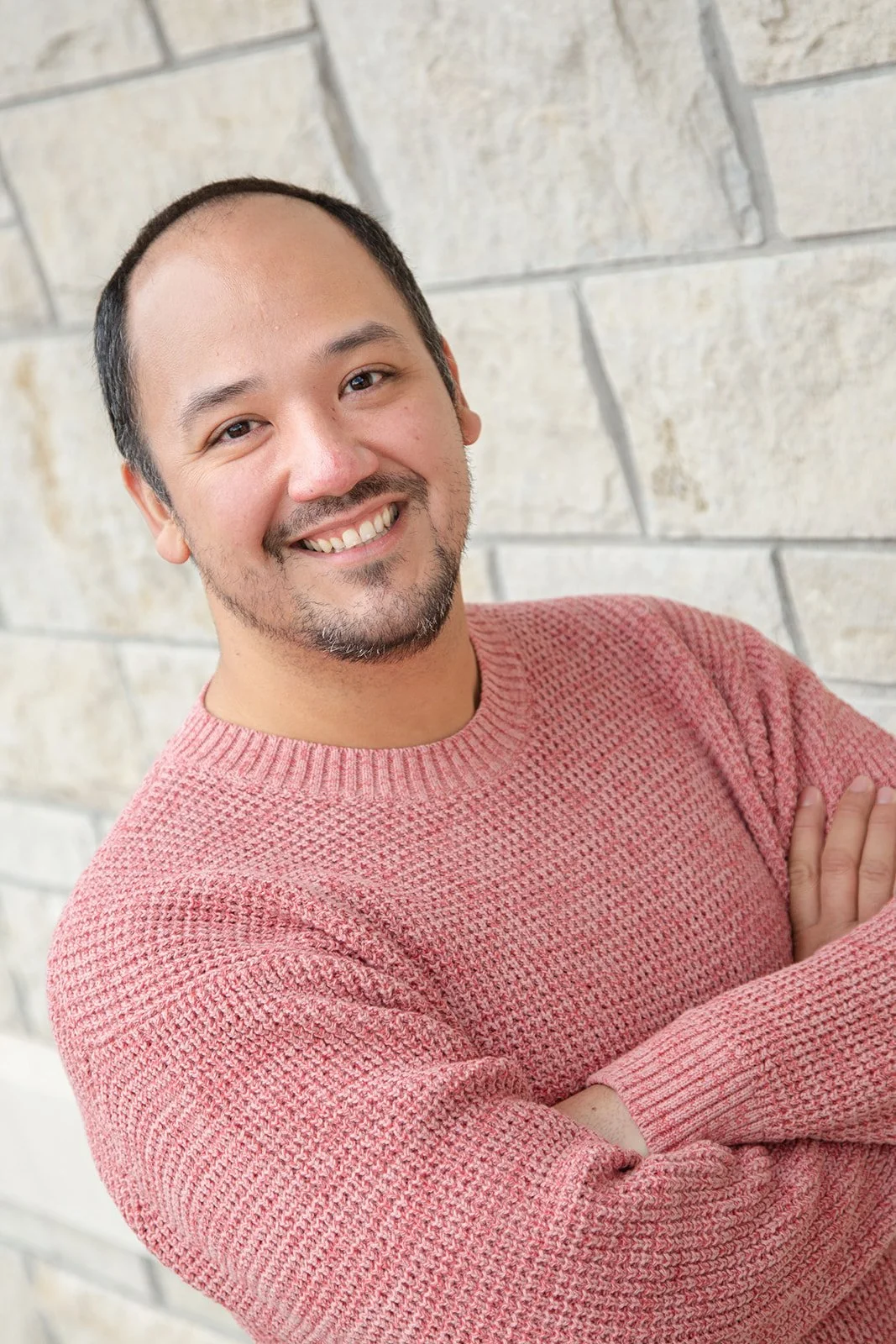
Mac Benavides (Kansas State University)
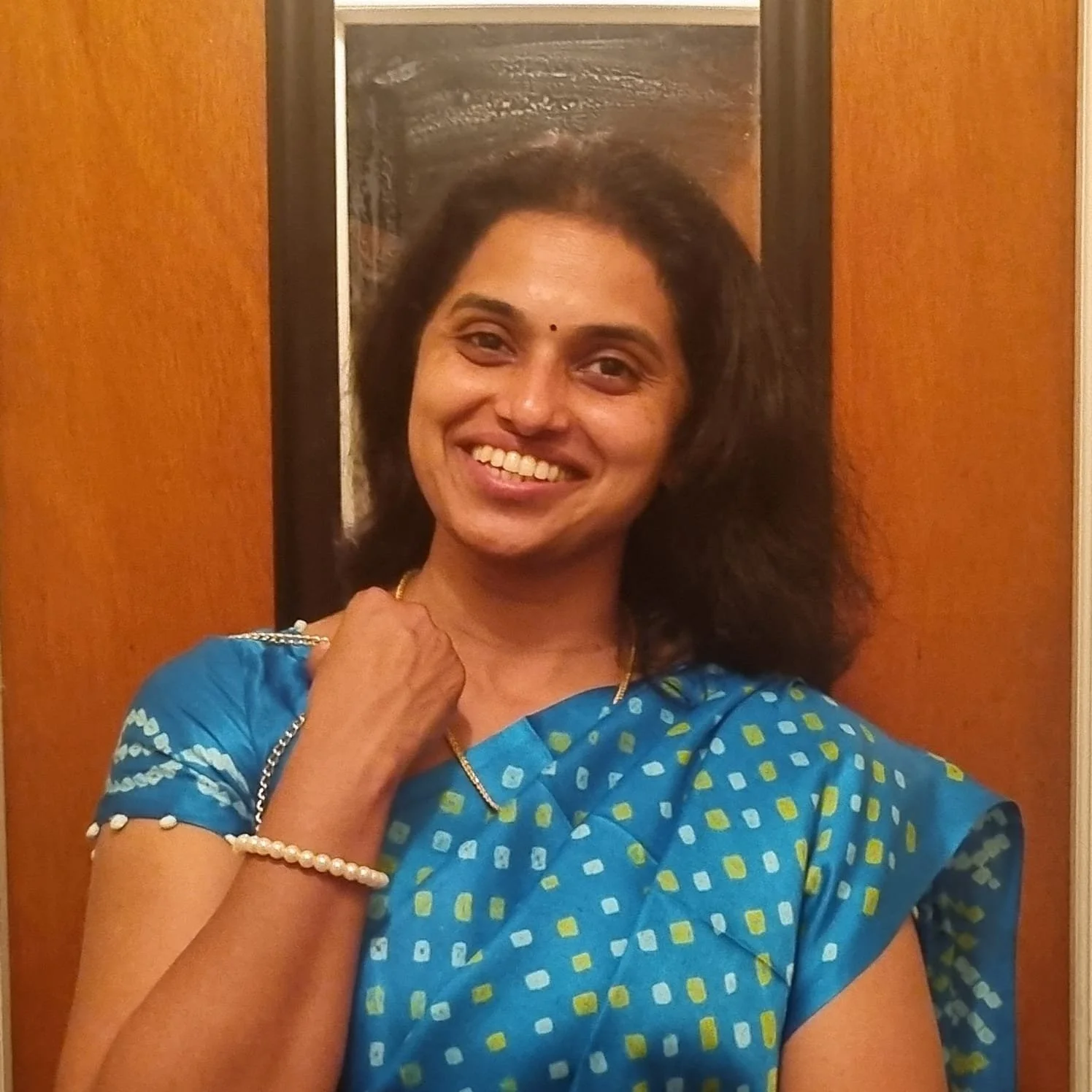
Phinu Mary Jose (Unitarian Universalist Congregation at Shelter Rock)
Sandra Sgoutas-Emch (University of San Diego)
Thomas Dahan (Rutgers University)
Global Member
Grace Ngai (Hong Kong Polytechnic University)
Isabelle Lys (Australian Catholic University)
João Elton de Jesus (Catholic University of Pernambuco)
Karen Venter (University of the Free State)
Renee Hector Kannemeyer (Stellenbosch University)
Aligned Affiliate Organization
Berta Paz Lourido (European Association of Service-Learning in Higher Education)
Emily Phaup (Campus Compact)
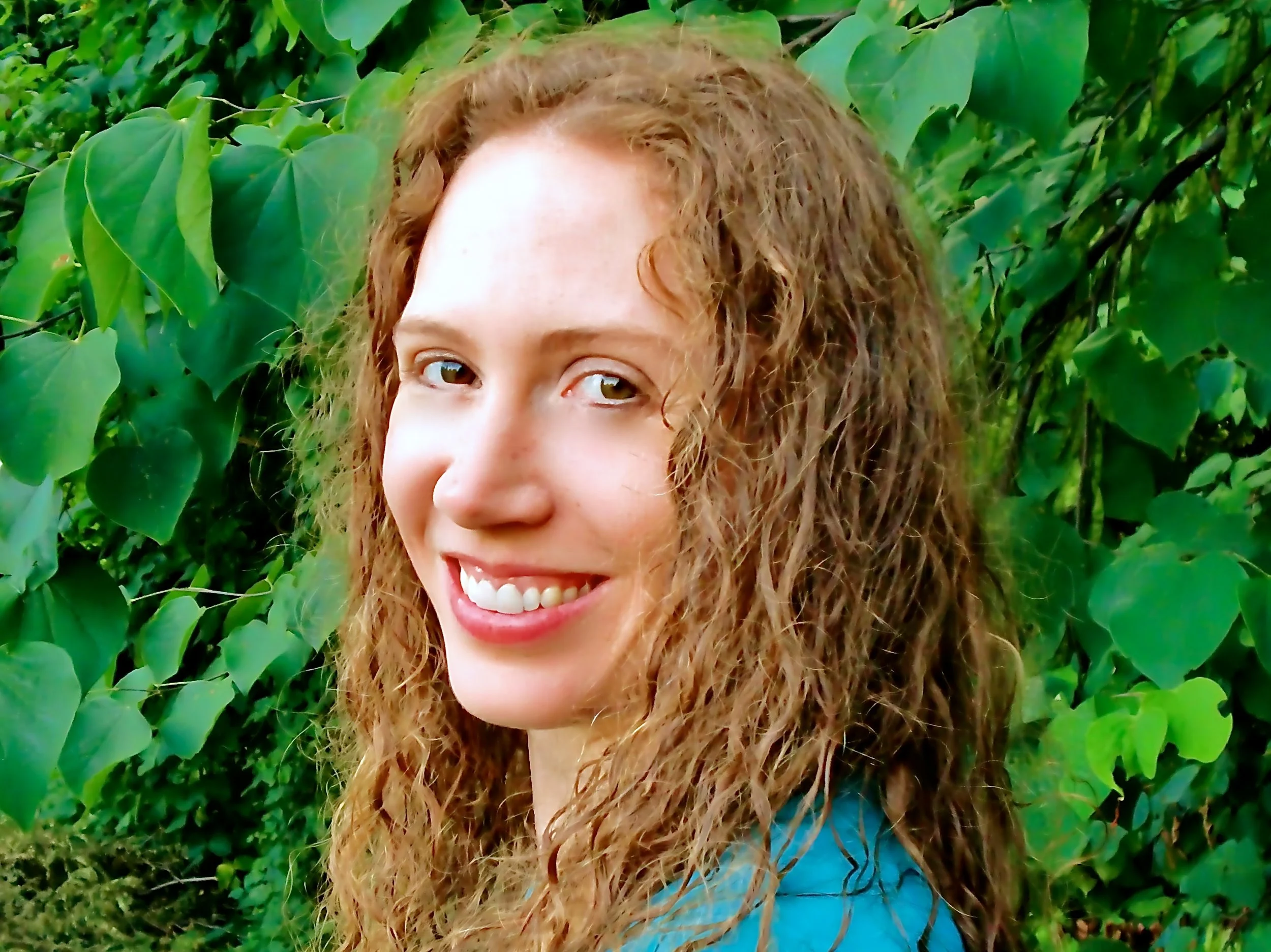
Allison Walker (at-large)
Director of Community Partnerships and Experiential Learning
Wake Forest University (USA)
-
As Director of Community Partnerships and Experiential Learning, Allison identifies, develops, and maintains strategic partnerships to support community-based experiential learning at Wake Forest University. As the director of the ACE (Academic Community Engagement) Fellows program, Allison consults with faculty on strategies to design and execute service-learning courses and research, integrating student learning and community voices to engage diverse stakeholders in place-based initiatives. Allison’s poems and photography have appeared in numerous literary journals and her recent scholarly work in the Community Literacy Journal, The Journal of Writing Analytics, The Journal of Multimodal Rhetorics, and the edited collection, Teaching Writing in the Health Professions. Her research interests include narrative medicine and empathy studies.
-
For over a decade, I've been asking the same question that animates all my work: How do we create learning experiences where everyone—students, community partners, educators—can meet as whole human beings rather than as roles to perform? This question draws me to IARSLCE board service, where I hope to help our field continue moving from extractive academic practices toward what RIta Charon calls "clearings"--open spaces free from evaluative judgment where authentic reciprocal learning can flourish.
My scholarly trajectory weaves together narrative medicine, critical pedagogy, and community-engaged learning. Drawing on Charon's concept of "clearings" and DasGupta's "narrative humility," my research explores how we create conditions for genuine partnership rather than hierarchical service. As Managing Editor of Catalyst and current member of the IARSLCE Scholarship and Publication Committee, I'm committed to amplifying scholarship that centers community voice and challenges whose knowledge counts.
I practice what I study. My LifeLines program has served pre-K-12 students and memory-impaired elders for over a decade—not as research subjects, but as teachers who've shaped my understanding of empathy, dignity, and what it means to truly listen. This practitioner-scholar orientation, recognized through my IARSLCE Practitioner-Scholar Community membership, grounds everything I do: from publications in The Community Literacy Journal and Teaching Writing in the Health Professions to presentations at IARSLCE (San Diego 2024; Durban 2025), Engagement Australia, and Campus Compact that explore how we dismantle rather than replicate power imbalances through our pedagogies.
At Wake Forest University—an IARSLCE Alliance institution—I continue development of our Carnegie Community Engagement classification, work that taught me how organizational frameworks can either constrain or enable transformative partnership. I bring this institutional knowledge to Membership and Resource Development alongside my editorial expertise for Scholarship and Publication. My experience reviewing grants and assessing scholarly impact through multiple lenses positions me to contribute meaningfully to Awards and Recognition while ensuring we honor the full spectrum of SLCE work—from community-generated scholarship to practitioner innovation.
What excites me most about IARSLCE is its commitment to international perspectives and rigorous reciprocal scholarship. Contributing to Dr. Andrew Furco's research agenda and presenting across three continents this year reminded me that our field's growing edges lie in cross-cultural learning and genuine humility about what we don't yet understand. I want to help IARSLCE continue creating clearings where scholars and practitioners worldwide can learn from rather than merely study communities, where we prioritize relationship over publication metrics, and where we model the collaborative, justice-oriented partnerships we hope to see in the field.
The work of building a more equitable, reciprocal approach to community-engaged scholarship is necessarily collective. I'd be honored to contribute my energy, experience, and ongoing questions to IARSLCE's continued evolution.

Berta Paz Lourido (aligned affiliate organization)
University of the Balearic Islands (Spain)
European Association for Service-Learning in Higher Education (EASLHE)
-
Dr. Berta Paz Lourido is an Associate Professor of Physiotherapy at the University of the Balearic Islands (UIB), Spain, distinguished by an interdisciplinary background that includes Physiotherapy, Pedagogy, Bioethics, Audiovisual Communication, International Cooperation, and a Ph.D. with a European Distinction. Her research investigates Service-Learning (SL) as a catalyst for policymaking and institutional change towards more inclusive and sustainable universities. She leverages Service-Learning in physiotherapy to link community engagement with Planetary Health. She has been the driving force behind the SL unit at the UIB. She is the recipient of the First Prize in the I UIB Transition Agenda Awards (2025).
-
Dr. Paz Lourido is a SLCE scholar, a founding member of the Spanish SL Association, and a manager of the European Association for Service-Learning in Higher Education (EASLHE). Her governance work includes directing the European Service-Learning Public Declaration and co-authoring Guidelines for the Institutionalization of SL, for which she was instrumental in taking these policies to scale across Europe. She is an advisor to the Spanish quality agency ANECA on framework projects for civic responsibility and SL institutional policy structures. She has served on IARSLCE's Scholarship & Publications Committee and was an active participant in the Global Research Agenda forums and analysis meetings. With transdisciplinary expertise in the Health Sciences, diverse academic fields, and K-12 education, she is an advocate for a broad, inclusive research agenda. She is skilled at acquiring resources and building networks nationally and internationally.
“I am seeking a leadership role to help advance IARSLCE's mission by bridging global research with tangible policy outcomes. My experience—from Founding Committee Member of the Spanish SL Association to managing European organizations (EASLHE)—equips me to translate our shared vision into action and fiscal sustainability. I am committed to providing the leadership needed to ensure our research informs global practice and achieves measurable change.”

Dan Richard (at-large)
Professor, Psychological and Brain Sciences
University of North Florida (USA)
-
Dan Richard is a Professor of Psychology at the University of North Florida in Jacksonville, FL, USA, and Co-Director of the Florida Data Science for Social Good program. He received his PhD in Experimental Social Psychology and Quantitative Methods from Texas Christian University in Fort Worth, TX. His primary research interests focus on lay-epistemology, research methodology, data science, and transformational learning. His SLCE research focuses on the transformative power of community engaged learning and research. He partners with non-profit and public serving organizations to advance and transform their capacity to do public good with data-driven and human-centered decision-making.
-
For me, community engagement feels like coming home. I became involved in community engaged teaching and research through experiential learning as a university professor. I recognized the transformative power of shifting from working FOR the community to working WITH the community. My early work in SLCE involved helping graduate students in psychology learn research methods and statistics through data analysis projects in support of non-profit organizations. I have since investigated the long-term impact of SLCE among college alumni, exploring how “dialogue across difference” and reflective practice impacts civic-minded professionals. More recently, I helped spearhead the Florida Data Science for Social Good internship program, which develops data science products in support of and in collaboration with non-profit and public serving organizations. The community of practice I experienced through IARSLCE has been a tremendous support from the beginning of my journey with SLCE, and I want to give back. I have served as section co-editor and editor of the IJRSLCE journal and have served on the IARSLCE Conference Committee the past two years. It is my joy to continue to support the work of our scholar-practitioners through Board leadership and participation in scholarly writing circles connected to the emerging global research agenda.
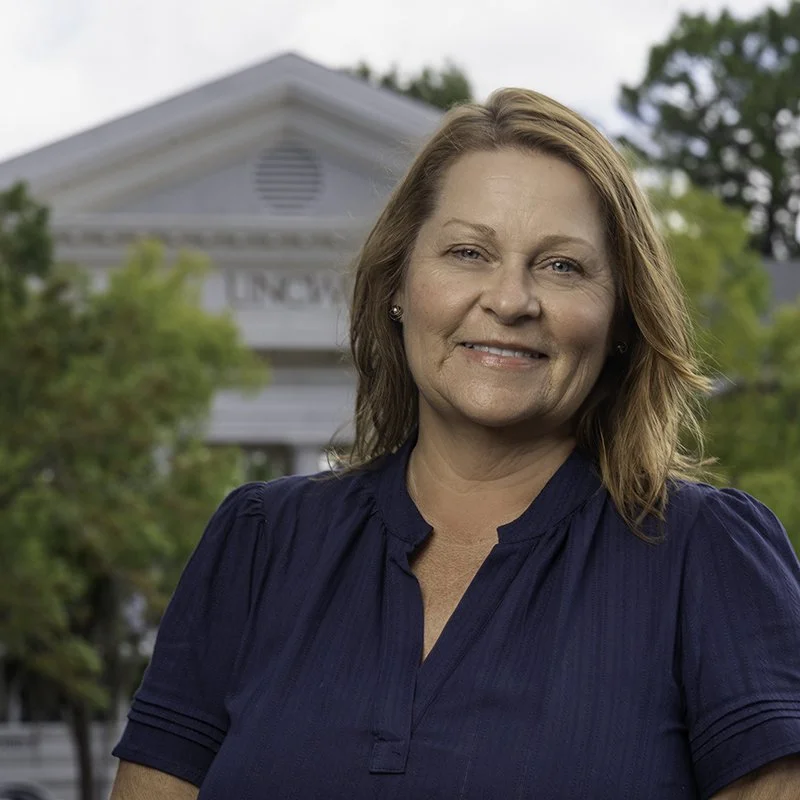
Deborah Tyndall (at-large)
Associate Professor
University of North Carolina Wilmington (USA)
-
Dr. Deborah Tyndall is an Associate Professor of Nursing at the University of North Carolina Wilmington whose research advances mental health equity for youth in rural K-12 schools. Her program of research integrates community-engaged approaches that strengthen school-based systems of care through partnerships with school districts and the inclusion of school nurses in suicide prevention and early intervention frameworks. Supported by competitive external funding—including the American Foundation for Suicide Prevention, the National Association of School Nurses, and the Engagement Scholarship Consortium—her work exemplifies partnership-driven inquiry that bridges research, practice, and policy. Dr. Tyndall serves as a peer reviewer for the Journal of Community Engagement and Scholarship is also the founding Lead Faculty Fellow for UNCW’s Community Engaged Scholars Academy, a university-wide initiative that builds faculty and doctoral student capacity for authentic, community-based research.
-
Throughout my career, I have been guided by a simple belief: lasting change begins in relationships. Whether co-designing a suicide-prevention protocol with school nurses or mentoring doctoral students in community-engaged research, I strive to create spaces where all voices carry equal weight in shaping knowledge and solutions. I would bring to the IARSLCE Board a decade of governance and event leadership experience, including service on the Sigma Theta Tau International Beta Nu Chapter Board and several journal editorial boards. My nursing background grounds my work in empathy, ethics, and systems thinking; my community-engaged research equips me to bridge disciplines and build sustainable partnerships; and my years of mentoring emerging scholars reflect my commitment to inclusivity and capacity-building.
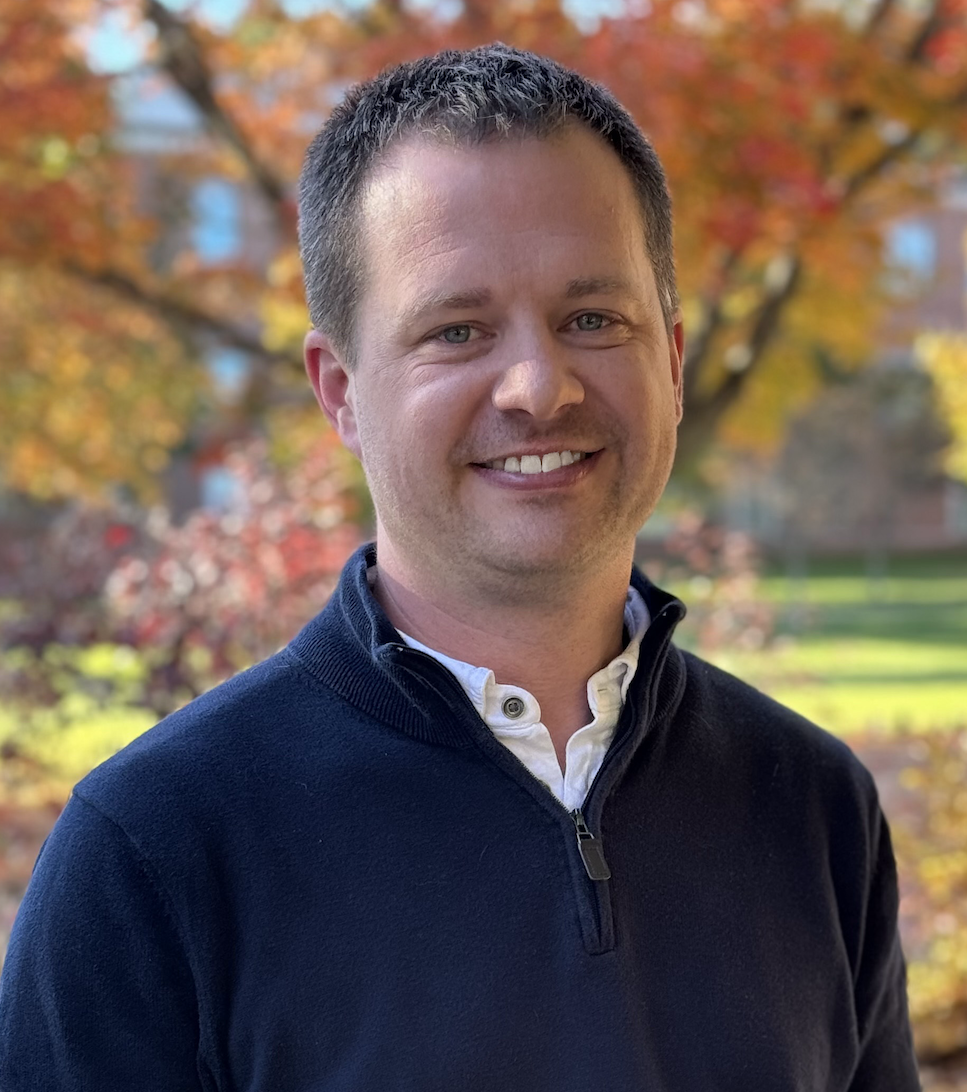
Doug Strahler (at-large)
Associate Professor
Slippery Rock University of Pennsylvania (USA)
-
Dr. Doug Strahler is an Associate Professor in the Department of Communication, Media, and Sport Management at Slippery Rock University of Pennsylvania (SRU) with experience in digital media production, instructional technology, and leadership. His teaching and research focus on strategic communication, digital media, instructional technology, inclusive design, and community engagement. During his 16 years at SRU, he has organized several community-engaged learning projects, served as the Service-Learning Faculty Fellow, and continues to serve as a community engagement faculty associate. He also serves as a co-facilitator for the IARSLCE Practitioner Scholar Community and Campus Compact’s Mid-Career Learning Community.
-
My commitment to community engagement guides my teaching, scholarship, and service, and I’m eager to bring this perspective to the IARSLCE Board. At SRU, I’ve served as a community-engaged learning faculty fellow, facilitated our CEL FLC, and developed an advanced Community of Practice. Within IARSLCE, I completed the Practitioner-Scholar Community (PSC) in 2024 and co-facilitated in 2025 and 2026. Since 2023, I have contributed to the conference planning committee, reviewed proposals, and volunteered at the 2023 & 2024 conferences, gaining knowledge of IARSLCE and the conference.
Beyond IARSLCE, I co-facilitate Campus Compact’s Mid-Career Learning Community and completed its Community Engagement Professional Credentialing program, where I was recognized as one of only four Certified Community Engagement Professionals. My scholarly activities include research in CEL, a recently published book chapter, and a co-authored paper on a CE FLC model, which reflects my commitment to advancing engaged scholarship. I’ve also served as the conference planner (2017) & president (2018) for the New York State Communication Association.
I hope to contribute to the Board by offering a faculty perspective and drawing on my experience with faculty development and collaborative leadership, as well as represent the PSC to support IARSLCE’s mission and the growth of community-engaged scholarship.

Elizabeth I. Quansah (at-large)
Director
Office of Outreach Global, Auburn University (USA)
-
Dr. Elizabeth I. Quansah earned her Ph.D. in Higher Education Administration and College/University Teaching Certificate from Auburn University, and an MBA in Management from Indiana University. She is the Founding Director of Auburn University Outreach Global, which advances international engagement, service-learning, and community development. Dr. Quansah has created and led global service-learning programs in Africa, Europe, and the Americas, serving thousands through education, healthcare, and capacity-building initiatives. A recipient of UPCEA’s 2020 International Leadership Award, she has presented widely on global education and continues to advance cross-cultural learning and engagement through innovative outreach programs and partnerships.
-
Dr. Elizabeth Quansah is a scholar-practitioner dedicated to advancing global service-learning and community engagement through innovative and engaged programming. As Founding Director of Auburn University’s Office of Outreach Global, she has developed and implemented numerous service-learning programs across Africa, Europe, and the Americas, engaging students, faculty, and international partners in projects that integrate education, healthcare, and community development. Her work emphasizes accessible, hands-on global learning opportunities for all students, particularly those unable to afford traditional study abroad programs.
Quansah has led major community initiatives such as the Global Community Day Festival, the GlobalConnect Camp, and Fulbright in the Classroom, all of which bring global education and cultural awareness to K–12 audiences and local communities. She has extensive experience in event planning, resource development, and grant acquisition, securing funding from the U.S. Embassy in Cotonou, the Alabama Office of Minority Affairs, and other organizations.
Dr. Quansah contributes to national conversations on international service-learning, capacity building, and higher education engagement. Her global perspective, leadership in university-community partnerships, and commitment to accessible, experiential learning uniquely position her to strengthen IARSLCE’s mission and support the Association’s continued growth and global reach.

Emily Phaup (aligned affiliate organization)
Senior Manager, Professional Development
Campus Compact (USA)
-
Emily Phaup is Senior Manager of Professional Development at Campus Compact. She holds a PhD in Science and Math Education (Free-Choice Learning) from Oregon State University. Her scholarship examines institutional support for community-engaged faculty and the professional preparation of graduate students in SLCE. At Campus Compact, she directs national professional development initiatives, including the CEP credential, Impact Awards, graduate student programming, the Mid-Career Learning Community, and annual conference programming. Her prior work includes advancing community-engaged learning across a consortium of liberal arts colleges in the Pacific Northwest and designing and delivering 4-H youth development programs in Oregon.
-
As an emerging scholar-practitioner in the SLCE field, my scholarship has explored institutional support for community-engaged researchers, feminist theoretical perspectives, methodologies in SLCE doctoral research, and community engagement within small liberal arts colleges. Earlier work examined frameworks and practices in positive youth development (K–12) programming.
I bring extensive experience in academic event and conference planning, having held leadership roles in organizing the Campus Compact annual conference, national Extension conferences, and environmental education conferences, as well as serving on committees for IARSLCE and ESC conferences. In my current role as Senior Manager of Professional Development for Campus Compact, I design and facilitate national-scale professional development offerings for colleagues across the SLCE field.
As an IARSLCE Board member representing an aligned organization, I hope to contribute a spirit of collaboration to advance shared priorities. By identifying and capitalizing on areas of alignment and differentiation and leveraging complementary strengths, we can support strategic advancement of the higher education community engagement field as a whole in a time when unity is crucial.
I hope to continue my roles as Co-Chair of the Special Programming Committee, IARSLCE representative on the Dissertation Dish committee, and champion of the Graduate Student Network of IARSLCE.
Grace Ngai (global)
Head and Associate Professor
Service-Learning and Leadership Office, Hong Kong Polytechnic University (China)
-
Grace Ngai received her ScB (Honors) at Brown University in Engineering in 1994, and her MSE and PhD from Johns Hopkins University in 1996 and 2001. She joined the Department of Computing at The Hong Kong Polytechnic University in 2002. Her disciplinary research interests are in the human side of computing – human-computer interaction, affective computing, and computer science education. Her commitment to altruism and experiential learning led her to service-learning, and her contribution has been instrumental in shaping PolyU’s service-learning programme. She is currently head of the Service-Learning and Leadership Office and associate professor at the Department of Computing.
-
Dr. Grace Ngai has extensive experience in service-learning program development and research. At The Hong Kong Polytechnic University (PolyU), she has been instrumental in shaping one of the most comprehensive service-learning programs in Asia. As the founding chair of the committee for program quality assurance and the current head of the Service-Learning and Leadership Office, she helped build a program that engages 5,000 students annually, including 2,500 involved in international projects. Her contributions have earned recognition through awards such as the University Grants Council Teaching Award (2016), PolyU’s Times Higher Education “Teaching and Learning Strategy of the Year” Award (2020), and multiple QS accolades.
Grace is also a dedicated researcher. A recent survey article (Yahaya & Nadarajah, 2025) cited PolyU as one of the top 20 most influential institutions in service-learning over the past decade, with Grace named among the top 10 most prolific authors. She actively promotes scholarship in Asia as a member of the editorial board of IJRSLCE since 2020 and by organizing conferences to nurture regional research.
Grace’s program leadership, research expertise, and commitment to fostering a global perspective on service-learning would bring valuable insights and strengths to the IARSLCE Board and its mission.
Heather Fields Stern (at-large)
Asst. Professor of Practice / Executive Director
Suffolk University (USA) / The Mama Project (South Africa)
-
Heather Fields Stern, EdD, is Assistant Professor of Practice in Theatre at Suffolk University and Executive Director of The Mama Project. Her research focuses on transformative learning, arts-based research, and community engagement to advance access to higher education for marginalized women in South Africa. With professional roots as a Broadway stage manager, regional theatre manager and arts leader, she brings expertise in arts administration, participatory research, mentoring, and social justice in the arts, centered on integrating creative practice with community empowerment and inclusive education.
-
I am a scholar-practitioner whose work bridges service-learning, community engagement, resource development, and event planning in academic and community contexts. As Executive Director of The Mama Project, I lead an international initiative advancing access to the arts and higher education for under-resourced women in South Africa, blending arts-based research with sustainable community impact. My scholarship on transformative learning through community arts both informs my participatory research and shapes my commitment to mentoring students and faculty in engaged, equity-driven scholarship.
My decades of professional experience as a professional theatre manager and event leader—on Broadway and at nonprofit organizations—have given me in-depth skills in managing large theatre productions, galas, arts events, and community projects. These experiences showcase my strengths in logistical planning, inclusive team leadership, and resource development. As a new member of IARSLCE, my experience attending my first conference in Durban was truly wonderful and inspired me to seek a larger role within the organization. Through my faculty and committee service, I live for collaboration, resource-building, and transformational leadership grounded in sustainable community impact, which I am eager to bring to the Board and the Association.

Isabelle Lys (global)
Senior Lecturer
Australian Catholic University (Australia)
-
Dr Isabelle Lys is a faculty/academic staff member at Australian Catholic University (ACU), School of Behavioural and Health Sciences, Faculty of Health Sciences. As an ally for Aboriginal and Torres Strait students and staff, and local communities, Dr Lys advocates for Indigenous Knowings in Health and Biomedical Sciences (HBS). She has experience in teaching and research in both Community Engagement (CE) in HBS disciplines and in HBS courses. She completed De La Salle University Uniservitate Service-Learning Course (2022) and is a co-facilitator of the International Association for Research on Service-Learning and Community Engagement Practitioner Scholar Committee (IARSLCE PSC) online course.
-
I am committed to working with communities to lead/develop Community Engagement/Service Learning (CE/SL) curriculum/projects that are inclusive, reciprocal and evidence-based. As a non-US board member, I can contribute towards the development and dissemination of CE/SL research at all levels of the education system locally and internationally. I completed the IARSLCE PSC online course (2024) and I am currently co-facilitating this course with colleagues in the US. Together with all PSC co-facilitators, we were invited to present on the work of PSC at an international conference in Sydney this year. My involvement in Australian Scientists in Schools government program means I regularly work with local communities and schools, particularly rural/remote and low Socio-Economic Status (SES) K-12 schools, to develop sustainable STEM programs, and to deliver curriculum/activities and projects in global citizenship and Indigenous Knowings in science. As a board member, I can contribute towards strategic leadership, inclusive agenda-setting and fostering scholarly communities of practice that advance knowledge and justice. I represent not only Australia, but I also represent voices of various communities within Australia, and in neighbouring countries to advocate and to ensure equity and equality for everyone so that anyone can attain access to education and research globally via CE/SL.
João Elton de Jesus (global)
Professor
Catholic University of Pernambuco (Brazil)
-
João Elton de Jesus is a doctoral candidate in Clinical Psychology at the Catholic University of Pernambuco (UNICAP), where he also serves as Extension Coordinator and professor in the Humanities domain. He holds a master’s degree in Religious Studies and has extensive experience in community-based education, spirituality, and youth engagement. His research focuses on Service-Learning, integral education, indigenous and decolonial philosophies, and social transformation in higher education. His work connects academic practice with community partners, emphasizing ethics, belonging, and democratic participation in Latin American educational contexts.
-
I have devoted my academic and professional work to advancing Service-Learning and community engagement as transformative pillars in higher education. As Extension Coordinator at UNICAP, I lead institutional initiatives that integrate teaching, research, and social commitment through curricular Service-Learning projects across multiple disciplines. My work emphasizes reciprocity, ethics, spirituality, indigenous knowledge, and democratic participation in partnership with local communities.
Since 2020, I have been actively involved in the Uniservitate program, which has strengthened my engagement with international networks and the articulation of Service-Learning within Catholic and Jesuit institutions. Being part of a Jesuit university allows me to contribute to greater involvement of institutions connected to AUSJAL and IAJU. I currently collaborate with the AUSJAL University Social Responsibility Committee, which provides a strategic platform to expand the reach of Service-Learning in Latin America.
Although I am not yet fluent in English, I believe I can enrich the Association by amplifying other languages and voices—especially Portuguese and Spanish—which are essential for greater global participation and inclusion.
I can help increase the involvement of Latin American universities within IARSLCE, fostering intercultural dialogue and strengthening the Global South perspective. My strengths include collaborative project development, strategic planning, and connecting academic practices with community needs. I am committed to promoting broader geographic representation and deeper engagement of Jesuit and Latin American institutions in the Association’s mission.

Karen Venter (global)
Assistant Director and Head of Service Learning in the Directorate of Community Engagement
University of the Free State (South Africa)
-
Dr. Karen Venter is Assistant Director and Head of Service Learning in the Directorate of Community Engagement at the University of the Free State, South Africa. Her research focuses on advancing the quality assurance of service-learning and community engagement (SLCE) through an integrated praxis approach. Her doctoral research produced the WHOLE model, designed to enhance flourishing in professional development and strengthen higher education–community partnerships. Dr. Venter leads SLCE capacity development at her university and is passionate about cultivating innovative, contextually grounded approaches to engaged scholarship that transform learning, research, and community engagement.
-
My passion for service-learning and community engagement lies in building bridges—between theory and practice, higher education and community, and across global contexts. My scholarship is grounded in my PhD, An Integrated Service-Learning Praxis Approach for the Flourishing of Professional Development in Community Higher Education Partnerships, through which I designed the WHOLE model to advance SLCE quality assurance. I lead capacity-building initiatives for staff and students at the University of the Free State, embedding reflection, reciprocity, and innovation into institutional practice.
My IARSLCE journey began in 2016, when I attended the annual conference to interview service-learning pioneers such as Andrew Furco, Tim Stanton and Carol Ma, whose work profoundly shaped my own. Reconnecting with these scholars at the 2025 conference affirmed my belief in IARSLCE as a scholarly home that values both rigor and relationships.
If elected to the Board, I would bring an international perspective, a commitment to transformative pedagogy, and experience in program development and evaluation. I am particularly interested in supporting the Conference Planning, Membership and Resource Development, and Scholarship and Publications committees, advancing inclusive, collaborative spaces where engaged scholars can thrive and share impactful work across diverse contexts.
I am honored that Professor Andrew Furco, whose work has deeply influenced my own scholarship, has endorsed my nomination for the IARSLCE Board. His encouragement reflects the shared commitment we hold to advancing rigorous and relational approaches to service-learning and community engagement worldwide.

Kenneth Schwartz (at-large)
Executive Director of the Phyllis Taylor Center for Social Innovation and Design Thinking
Tulane University (USA)
-
Ken Schwartz, serves as Executive Director of the Phyllis Taylor Center for Social Innovation and Design Thinking at Tulane University, where he holds the Michael Sacks Chair in Civic Engagement and Social Entrepreneurship. Previously Dean of Tulane School of Architecture (2008-2018), he joined the university shortly after Hurricane Katrina and transformed the school's funding profile, raising nearly $25 million, including an additional $15 million that we secured as an endowment gift from Mrs. Phyllis Taylor to launch the new university-wide, cross-disciplinary center for social innovation at Tulane University. His research interests focus on social innovation, civic engagement, and sustainable design thinking. With extensive nonprofit board experience and proven strategic planning skills, Schwartz has positioned the Taylor Center as a leading force in social change initiatives, building strong partnerships throughout New Orleans and beyond while preparing for leadership transition in 2026.
-
Ken brings exceptional scholarly leadership and resource development expertise to the IARSLCE Board. As Executive Director of the Taylor Center for Social Innovation since 2014, he has built a thriving university-wide center focused on social and environmental change, managing 12 faculty and 4 staff members while establishing strong community partnerships throughout New Orleans.
Schwartz's scholarly activities center on civic engagement, social entrepreneurship, and design thinking. His transformative leadership at Tulane School of Architecture (2008-2018) included launching innovative programs in community engagement and sustainable design. He has demonstrated exceptional resource development skills, raising nearly $25 million for the School of Architecture and securing the $15 million Taylor Center endowment gift, transforming a program with virtually no fundraising capacity post-Hurricane Katrina.
His strengths include extensive nonprofit board experience, strategic planning expertise, and proven ability to build collaborative partnerships. As an IARSLCE member who attended the Durban conference, he brings direct association experience and enthusiasm for the organization's mission. With his upcoming transition from executive leadership in 2026, Schwartz offers increased availability and commitment to advancing IARSLCE's goals through his expertise in fundraising, organizational development, and community engagement initiatives.
Mac Benavides (at-large)
Assistant Professor
Kansas State University (USA)
-
Dr. Mac T. Benavides is an assistant professor in the Staley School of Leadership at Kansas State University (K-State) in the United States. He earned his Ph.D. in leadership communication along with graduate certificates in conflict resolution and qualitative research from K-State. His academic and professional background are in the field of education at both the PK-12 and higher education contexts. As a community-engaged scholar, Mac’s teaching, research, and practice center around global and domestic community-based learning; reciprocal partnerships in community-driven sustainable development; leadership education; and creating inclusive and equitable learning environments at institutions of higher education.
-
Mac is actively involved in scholarship on service-learning and community engagement, primarily focused on elevating the voices of community partners regarding their experiences in collaborations with academic institutions. He is also involved with the Community Based Global Learning Collaborative, where he serves on the Knowledge Mobilization Action Team. Mac’s dissertation was awarded the 2022 IARSLCE dissertation of the year award, and he has presented at the last three annual IARSLCE conferences. Current scholarly projects he is working on include the validation of a developmental model that can inform learning-based interventions for sustainable development, a theory-to-practice-to-theory framework that illustrates the boundary-spanning opportunity of community engaged scholarship, and methodological innovations for engaging across lines of epistemological and disciplinary difference. Mac has professional experience in event planning, including work in university recruitment and student programming. He also completed undergraduate degrees and student practicum experiences in the K-12 education context.
Statement from Mac: Thank you for considering my nomination for service on the IARSLCE Board. I am willing to stand for Board election.
Phinu Mary Jose (at-large)
Unitarian Universalist Congregation at Shelter Rock (USA)
-
I bring a rich experience of opportunities that students and the academic fraternity in Higher Education space are exposed to with experiential learning and community engagement. Research interests stem from exploring pedagogical tools in Management Studies.
At Christ University, Bangalore (2007 to 2023) I was able to transition from an educator to an administrator, thanks to my leadership in International Exchange Programs, Alumni Support, and most gratifying of all, connecting the community to the University.
For 16 years, in my role as a teacher, my lessons intertwined the social relevance of classrooms to the field by curating experiential learning assignments for my students, I also held the position of Director-Centre for Social Action for close to 5 years engaging with student-volunteers and community leaders for building projects on women empowerment and child care. The last task before I left India to the US, was being an Executive Member of the Service-Learning team at my university and helping strengthen curriculum and community relations for academic enrichment. Since moving to the US in 2023, I continue to volunteer for Community Conferences and Alumni Networks for Christ University and presently serve as the Committee Assistant to the Unitarian Universalist Congregation at Shelter Rock (www.uucsr.org) at Manhasset, New York.
-
The icing on the cake in my scholarly journey has to be the publication of a co-authored Chapter in Routledge! Apart from that a lot of my interests in research on service learning and community engagement has been through case studies and chapters in books and conference presentations. The opportunity to volunteer on various committees in IARSLCE has being very rewarding in strengthening relationships between institutions and scholars in this space. Helping organize Annual Conferences and Awards Committee work in IARSLCE has earned me lasting friendships and the Special Programming Committee's work is closest to my heart. Contributing to curating sessions, participating in them and leading discussions has been very educative and promising with the objective of spreading the word to Higher Education spaces outside the US.
I was responsible to shape the service learning network at Christ University, Bangalore, India in my position as the Director of the Centre for Social Action. I also partnered with other institutions, community partners in South East Asia specifically to further the interests of the Academic fraternity. My keen interest in community partnerships and ability to transition from academic leadership to community projects helped apply concepts to core projects on the ground.

Renee Hector Kannemeyer (global)
Deputy Director: Social Impact and Transformation (seconded to the Centre for the Study of the Afterlife of Violence and the Reparative Quest, AVReQ)
Stellenbosch University (South Africa)
-
Renee Hector-Kannemeyer is Deputy Director for Social Impact and Transformation at Stellenbosch University (South Africa) and a PhD candidate whose research explores racial repair and institutional transformation through critical psychology and autoethnography. Her work bridges Education as Repair, the Lückhoff Living Museum restitution initiative, and the transatlantic network of Universities as Reparative Institutions. Grounded in the African philosophy of Ubuntu, she advances a relational and justice-centered approach to community engagement, linking local contexts of historical repair with global collaborations that challenge inequity, invites repair and rebuild trust between universities and communities. She also serves as a reviewer for the International Journal of Research on Service-Learning and Community Engagement.
-
Renee Hector-Kannemeyer’s scholarship and practice are animated by Ubuntu the understanding that our humanity is bound together in relationship. Her approach to community engagement foregrounds justice, repair, and collective belonging, embodying IARSLCE’s mission to advance equity-centered research and practice in service-learning and community engagement.
At Stellenbosch University, she leads the Lückhoff Restitution Initiative, a community-university partnership addressing the spatial and historical injustices of apartheid through educational collaboration and memorialization. This work, guided by the Advisory Committee on the Restitution Case Study chaired by the University’s Vice-Rector, reimagines education as a site of reconciliation and repair.
Her leadership extends nationally and globally. She serves on the SCAN Steering Committee, a network bridging community, academia, and industry for social innovation—and she is currently coordinating together with Durban University of Technology and University of North Carolina, a Transatlantic Advisory Structure on Universities as Reparative Institutions, a global body linking South Africa to Rutgers University, the University of Connecticut and the University of Mississippi. This initiative aims to connect scholars across continents to study how higher education can serve as a reparative force in society focusing on identity restoration, healing and belonging as a result of the wounding of the Transatlantic slave trade.
Renee advances critical and inclusive scholarship in the field. Her inclusion on the IARSLCE Board would strengthen the Association’s global reach and bring an Ubuntu-informed African perspective to its justice-centered mission. Her practice also draws from the African tradition of sharing circles, where knowledge is co-created through listening, reflection, and communal storytelling. Within these circles, narratives of loss and repair become pedagogies of belonging. Through this lens, Renee’s work transforms engagement into an act of collective remembering and mutual becoming.
As a PhD candidate, she cultivates scholarship that bridges epistemic worlds, affirming the power of story as a transformative practice through which the IARSLCE community can deepen its global commitment to justice, equity, and repair.
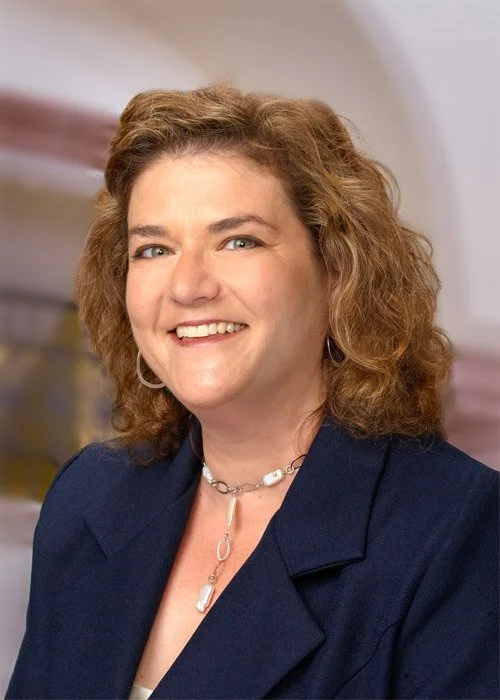
Sandra Sgoutas-Emch (at-large)
Professor of Neuroscience and Senior Faculty Advisor USD Mulvaney Center
University of San Diego (USA)
-
Sandra Sgoutas-Emch is a professor and former director of the Center for Educational Excellence at the University of San Diego. She has been with the university since 1992 and is a senior faculty advisor with the Mulvaney Center for Community, Awareness, and Social Action. Her research includes the scholarship of teaching and learning, engaged scholarship and stress management. She has published chapters and articles on community engagement and presented workshops on various topics in this area. She was the recipient of many awards including Woman of Impact, Distinguished Faculty, and a national finalist for the Thomas Ehrlich Engaged Faculty Award.
-
Dr. Sgoutas-Emch is a member of IARSLCE and other organizations associated with community engagement (CE). At USD, as director of the Center for Educational Excellence, she worked closely with the Mulvaney Center for Community Awareness and Social Action to create programming to help promote community engagement (CE) teaching and scholarship. As a faculty member in a STEM discipline, Sandra has implemented community engaged teaching and worked with K-12 schools to co-create projects around health and wellbeing. She understands the need to expand CE work to more STEM disciplines and has worked with organizations such as NSF, PKAL and the Society of Behavioral Medicine to advocate for engagement work.

Thomas A. Dahan (at-large)
Assistant Teaching Professor
Rutgers University School of Nursing-Camden (USA)
-
Thomas A. Dahan earned his PhD from the Department of Public Policy and Administration at Rutgers University Camden in 2019; his dissertation, Community Effects of Service Learning, was recognized by IARSLCE as the dissertation of the year. Dr. Dahan is an Assistant Teaching Professor at Rutgers School of Nursing–Camden and the director of the Rutgers Camden Public Health AmeriCorps, which has enrolled over 100 nursing students and community members to address social determinants of health in Camden, NJ, since 2022. His scholarly interests include improving the rigor of research on service learning and community engagement.
-
I am seeking nomination to the board of IARSLCE to support the professional and scholarly community that has been integral to my own scholarly formation. As a second-year PhD student, I presented a paper drafted in my quantitative methods class at the 2015 IARSLCE convening in Boston, and it was later selected for publication (personal first!) in the 2016 volume of IJRSLCE. As a member of the Graduate Student Network, I represented the network on the association’s conference planning committee in 2019. That year, I was recognized for my dissertation’s contribution to the field. From 2019 through 2022, I served as the treasurer for the AERA SIG41: Experiential Education and Community Engagement. Since 2022, I have led an AmeriCorps program that integrates national service experiences into course-based learning opportunities for students in our school of nursing and places community members in opportunities to serve alongside the service-learners enrolled in the program to address social determinants of health in their neighborhoods. In addition, I am my school’s biostatistician and support colleagues’ efforts by conducting statistical analyses and reviewing manuscripts and presentations for accuracy. I look forward to your support to bring my unique background and talents to the leadership of IARSLCE.