
Moving together: Graduate student reflections on the UK Service Learning/Community Engaged Learning Community of Practice Annual Conference
Introduction
On Tuesday 23rd June, the University of Manchester hosted the Service Learning/Community Engaged Learning Community of Practice Annual Conference. It was a sweltering hot day, but as we gathered together- we focused on uplifting and championing each other’s work. Emily and Claire, two members of the GradSN committee (Membership Coordinator, and Chair respectively) were able to meet in-person for the first time. And Meuke, a medical student from the University of Manchester delivered a Keynote Presentation on his experience of service learning. Together, the three of them reflect on their day.
Moving As One
A relational thread ran through many of the conversations at the conference. People returned to the idea that service-learning is built on relational infrastructure, that trust takes time, and that we connect through stories. This emphasis on relationality brought to the forefront that service-learning is not merely bridging ‘university’ and ‘community’ as discrete, separate domains but is a practice that embraces the fluidity of individuals’ identities as people move between being students, teachers, mentors, and community members, with everyone, ultimately, a learner. There was a strong sense of our interconnectedness and entanglement, recognising that learning relationships do not simply link pre-existing domains but constitute shared learning landscapes over time (Tsing, 2015).
A striking workshop was titled "Learning from service-learning: What happens when it’s not what you intended?" Rather than celebrating celebratory accounts of success, this session invited us to explore the ‘dark side’ of service-learning and the moments when it can be ‘truly, spectacularly good’. This session included tactile elements: Lego on the tables, lavender to smell, and other items to fidget with or create alongside the conversation. This felt like an important acknowledgement that we come to these spaces as whole humans, not as disembodied minds.
The workshop also created space for honesty. We engaged with the complexity, messiness, discomfort, failure, and repair that so often characterise service-learning in practice. I appreciated the number of people who resisted polished, uncritical narratives and instead provided honest accounts of what worked, what went wrong, and the lessons along the way. I (Claire) found this frankness refreshing. It reminded me that mistakes are not evidence of failure but part of the ongoing work of relational practice, and it made me feel less alone in the challenges I have encountered in my own journey.
An image that stuck with us is the starling murmuration, used to illustrate how service-learning should function — not as one institution controlling and another community receiving, which leads to isolated, short-lived fixes, but as a flock of starlings moving together as one organism, each responding to the other. This metaphor invites us to aim for a more challenging goal: genuine, collective, ongoing responsiveness across the university, including students. As a student, I reflected on my role—not just as a passive participant but as someone with influence—aligning student voices with faculty and community efforts to achieve shared goals, such as fostering civic leadership and community resilience. It was inspiring to hear speakers like George Luc from GivePulse, whose work facilitates these ambitions by providing a digital platform that connects campus and community.
The Challenges : Leaning into the discomfort of community engaged learning
With most of the room made up of SL/CEL practitioners, conversations also leaned into the immense work and time that goes into delivering these initiatives. The hidden hours it takes to build relationships with partners, while also wanting to manage partner fatigue. The complexity of being an advocate and representative for the university, while also acknowledging that the university is not one single, continuous body that shares your values and priorities (Flores, 2024).
It's easy for conversations about service-learning to stay at the level of pedagogy — what students learn, how it changes them and their community — without asking questions of who gets access to that learning and at what cost. The debt question came up more than once: if universities are going to claim service-learning as central to a "transformative" education, how do they justify the price tag attached to it?
Access to Service Learning can easily be overlooked if no one actively looks for disparities, since the opportunity appears equal on paper. However, in reality, the main issue is who can afford the time, unpaid hours, and flexibility these placements require. The gap between those who can access these experiences and those the university assumes will is a concern worth exploring. The conference discussion made me feel both challenged and reassured; because Service Learning is highly empowering for students and the community, it shouldn’t automatically excuse the financial challenges it may pose for some.
Another question raised was about measurement: how can we determine long-term impact, and what tools are suitable for capturing it? What caught my (Meuke) attention wasn't the question itself, but the reaction from the room — no one had a clear answer. This didn't seem like avoidance but rather an honest admission that we're still figuring this out together. One speaker referenced the social science concept of critical realism, which urges us to look beyond immediate outcomes such as hours volunteered or short-term student satisfaction surveys. It encourages examining the deeper reasons and processes behind social change, such as whether a student begins to view service learning as social justice rather than charity, thereby challenging existing power structures. This suggests that the absence of a simple metric isn't a flaw but a sign that the impact we seek is often relational and gradual — not easily measured by surveys or KPIs. In fact, the conference made me more sceptical of any framework claiming to neatly solve this problem.
Final Reflections
The conference felt like a reminder of the importance of relationships in all learning journeys. The conversations reminded me that service-learning is slow, imperfect, and unpredictable work, but so incredibly rich and meaningful. Meuke summarised this at the beginning, which resonated with many of us on why we do SL/CEL in the first place:
“Students learn differently when our learning matters”.
We know that what we do matters to those that we work with, which is why we make the journey to sit in hot rooms to listen to each other; it is why we work those hidden hours, and grapple with evaluating our programmes. We have our common goal, and slowly we are moving together towards it.
References
Flores, M.G. (2024) ‘A Socio-Historical Approach to Community Engagement: Beyond Managerial and Normative Analysis’, Italian Journal of Sociology of Education, 16(Italian Journal of Sociology of Education 16/3), pp. 1–23.
Tsing, A. (2015). The Mushroom at the End of the World: On the Possibility of Life in Capitalist Ruins. Princeton University Press. https://doi.org/10.2307/j.ctvc77bcc
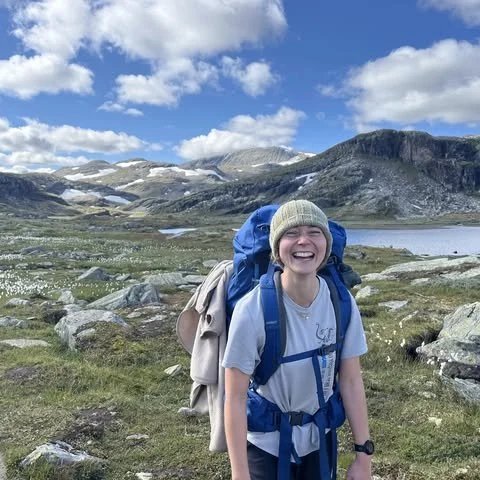
Claire McCann is Chair of GradSN. She is currently pursuing a DPhil (PhD) in Education at the University of Oxford, focused on the lived experiences of those involved in community-university partnerships in the student town of Makhanda, South Africa. She holds a MSt in Women’s, Gender, and Sexuality Studies, and MPhil in Economics. She works for the Rhodes University Community Engagement Division and is Deputy Editor of the African Journal of Higher Education Community Engagement. Her research interests include community/public engagement, African higher education, feminist and engaged research methods, and community histories.
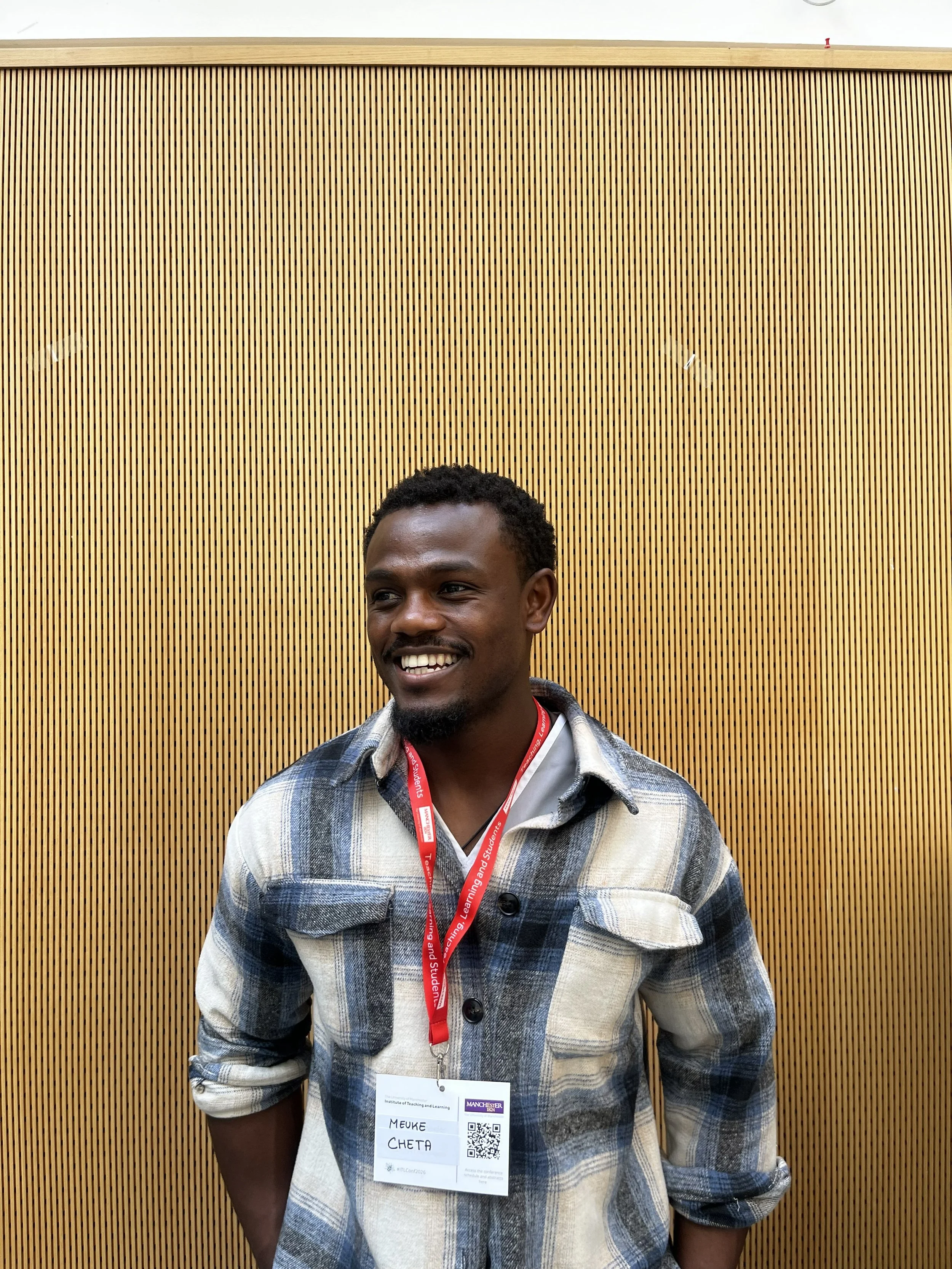
Meuke Cheta is a postgraduate medical student at the University of Manchester and a Biochemistry graduate from Georgian Court University, NJ. He is also working as a student partner on the University of Manchester 2035 vision, focused on the student experience of partner-enabled learning, connecting every student with challenges in the city of Manchester and across the globe, and preparing them to become the leaders and citizens our world needs. Meuke has developed and run focus groups and surveys, and conducted qualitative data analysis to build a clear picture of the student perspective on service learning and partner-enabled learning at the University of Manchester. He has also contributed to piloting the service-learning strategy for the School of Medicine programme, working closely with Dr Omodunni Adeniyi, Clinical Lecturer in Medical Education and a specialist in experiential service learning for undergraduate medical students.
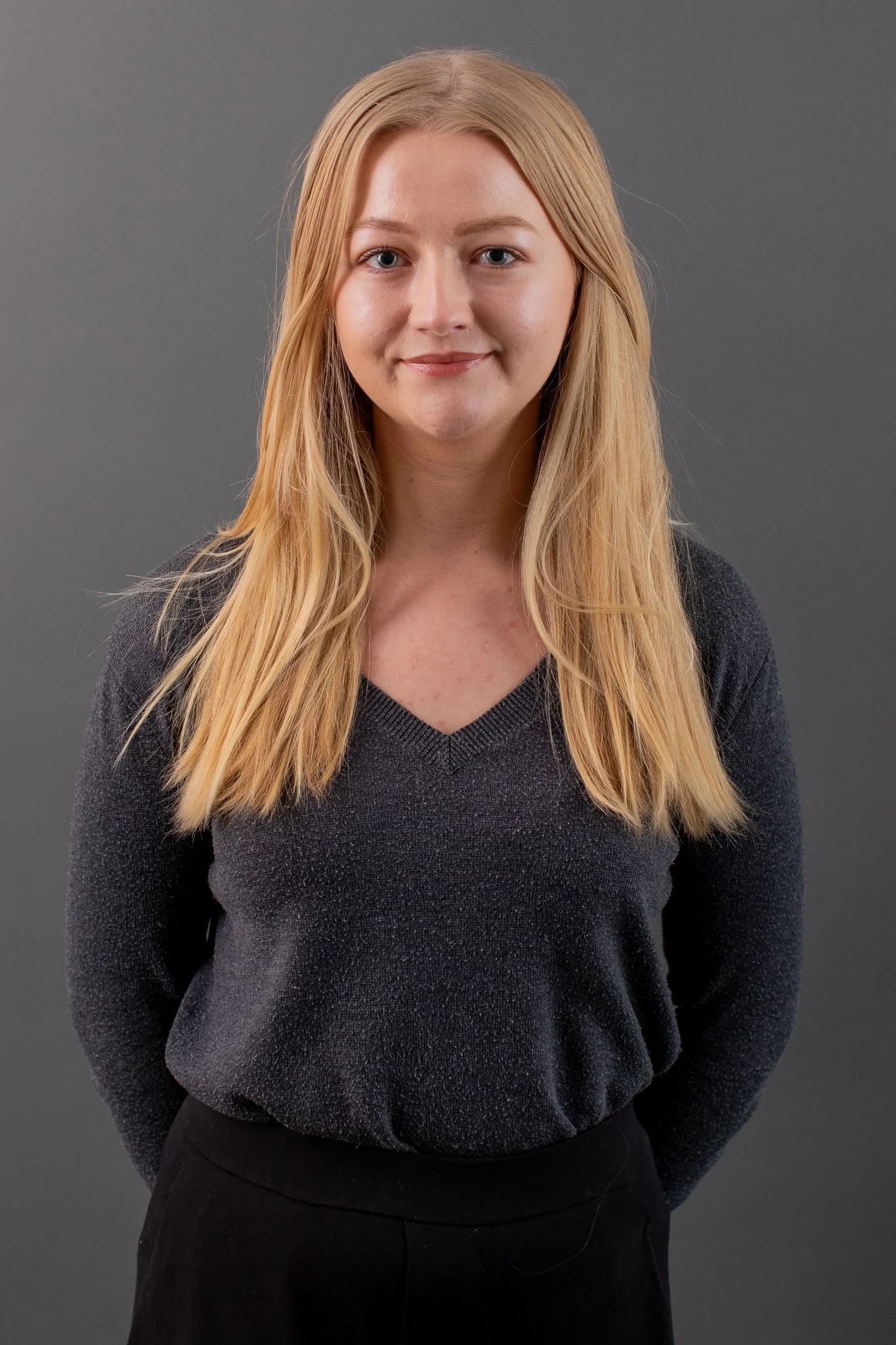
Emily Bastable is a PhD candidate that looks at integrating knowledge exchange into undergraduate and postgraduate taught programmes and thus has become a university champion for student knowledge exchange, as well as being a founding member of the Student Voice Network, a staff professional development community.
She has been working in HE staff and student development for the past five years, mainly in the core areas of student engagement, authentic assessment, knowledge exchange and research impact. She has served two years on the QAA’s advisory board, as well as supporting the writing of the QAA quality code where she was able to develop her knowledge of quality and standards in HE across the four UK nations. She currently serves on the committee for RAISE (Researching, Advancing and Inspiring Student Engagement) as a student member, and is the Co-Head of Programmes and M&E lead for the international education charity Professors Without Borders. Emily currently serves at IARSLCE’s GradSN Memberships and Communications Coordinator.